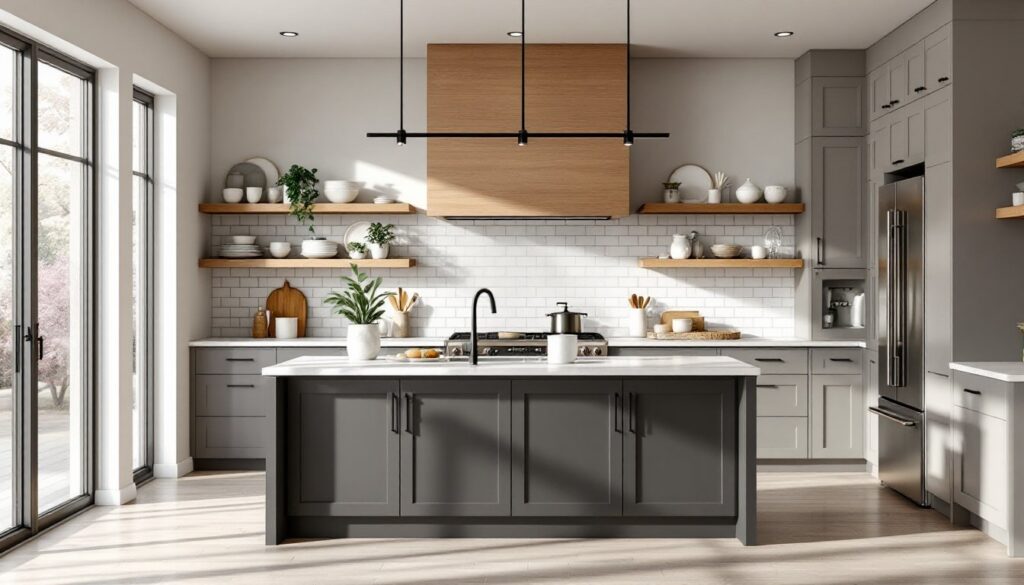
When 2020 rolled around, kitchen design took a sharp turn toward cleaner lines, bolder contrasts, and smarter use of space. Six years later, those trends haven’t faded, they’ve matured into design staples that work just as well in 2026. If you’re planning a kitchen remodel or refresh, the elements that defined 2020 kitchens remain practical, buildable, and visually grounded. This guide walks through what made 2020 kitchen design stand out and how to apply those principles to your project today, whether you’re tackling a full renovation or just swapping out hardware and paint.
Key Takeaways
- 2020 kitchen design emphasizes clean lines, minimalist aesthetics, and smart storage—principles that remain practical and visually relevant in 2026.
- Two-tone cabinetry, flat-panel doors, and matte finishes are signature elements that break up visual monotony and add depth without requiring a full renovation.
- High-impact updates like painting cabinets, swapping hardware, installing large-format tile backsplashes, and adding LED lighting bring modern kitchen design to existing spaces affordably.
- Natural materials such as wood range hoods, butcher block countertops, and organic textures soften minimalist cabinetry and prevent kitchens from feeling too clinical.
- Open shelving works best as a mixed approach—combining one wall or two upper cabinets with traditional storage elsewhere—to balance visual lightness with practical storage capacity.
- Smart storage solutions like pull-out pantry cabinets, deep drawers, and corner optimization maximize functionality and reduce visual clutter in modern kitchens.
The Defining Characteristics of 2020 Kitchen Design
The 2020 kitchen aesthetic leaned into restraint. Designers and homeowners moved away from ornate detailing, heavy moldings, and layered accessories in favor of simple geometry and purpose-driven layouts. The result was kitchens that felt larger, calmer, and easier to maintain.
Flat-panel cabinetry (also called slab doors) replaced raised-panel doors in most mid- to high-end projects. These frameless or full-overlay styles eliminate visual clutter and pair well with integrated appliances. Quartz countertops dominated material choices, engineered slabs offer consistency in pattern, require no sealing, and resist staining better than natural stone. Matte finishes on fixtures, cabinet hardware, and even appliances became the norm, reducing fingerprints and glare.
Color palettes shifted toward neutrals with intention: soft grays, warm whites, greiges, and selective use of deep navy or charcoal as accent tones. Bold all-white kitchens remained popular but were often grounded with wood tones or textured backsplashes to avoid a sterile feel.
Minimalist Aesthetics and Clean Lines
Minimalism in 2020 didn’t mean cold or empty, it meant editing down to what mattered. Handleless cabinets with push-to-open mechanisms or recessed pulls kept surfaces smooth. Integrated appliances (panel-ready refrigerators, dishwashers, range hoods) blended into cabinetry rather than standing out as focal points.
Backsplashes stayed simple: large-format subway tile (3″ × 12″ or larger), slab backsplashes in the same material as the countertop, or thin porcelain panels that minimize grout lines. Grout spacing dropped to 1/16″ where possible to maintain clean sight lines.
Lighting became more architectural. Recessed LED cans replaced dated flush-mount fixtures, and linear pendant lights over islands provided task lighting without visual weight. Undercabinet LED strips, often on dimmers, added layered illumination without cluttering counters with plug-in lamps.
Two-Tone Cabinetry: A Bold Statement That Endures
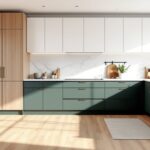
Two-tone cabinetry exploded in 2020 and hasn’t let up. The concept is straightforward: use one color or finish for base cabinets and a contrasting color for upper cabinets or a kitchen island. This breaks up visual monotony in large kitchens and adds depth without patterned tile or wallpaper.
Common pairings include white or light gray uppers with navy, forest green, or charcoal lowers. Another approach flips it: dark uppers (or open shelving) with natural wood or painted white lowers. The island often becomes the accent piece, painted in a bold hue while perimeter cabinets stay neutral.
Material mixing also counts as two-tone: pairing painted cabinets with stained wood (walnut, white oak, or rift-sawn oak) adds warmth and texture. If you’re DIYing, note that achieving a factory-quality paint finish on cabinets requires thorough deglossing, a bonding primer like Zinsser B-I-N or STIX, and at least two topcoats of a hard enamel (oil-based alkyd or waterborne acrylic urethane). Budget 3–5 days for proper dry time between coats.
When planning two-tone layouts, maintain balance. Avoid cutting the kitchen in half horizontally, use the island, a bank of tall pantry cabinets, or lower cabinets as the contrast zone. Many design resources showcase real kitchens with two-tone layouts to help visualize proportions before committing to paint.
Smart Storage Solutions for Modern Living
2020 kitchens prioritized hidden, organized storage over display. Homeowners wanted less visual noise and more functional access. This shift led to widespread adoption of several cabinet accessories and layout strategies.
Pull-out pantry cabinets (typically 12″ or 18″ wide) fit into narrow gaps and use full-extension soft-close slides to bring canned goods, spices, and dry goods into reach. Deep drawer base cabinets replaced many traditional door-and-shelf bases, drawers make it easier to access pots, small appliances, and even trash bins without crawling on hands and knees.
Corner solutions evolved beyond the lazy Susan. LeMans-style pull-outs and magic corner units maximize blind corner access with swing-out or pull-out trays. These systems cost more (expect $200–$400 per corner unit at retail) but recover otherwise dead space.
Vertical dividers for sheet pans, cutting boards, and serving trays became standard in base cabinets near the range or island. Drawer peg systems (adjustable pegs that hold plates, bowls, or lids upright) prevent stacking and make unloading the dishwasher faster.
If you’re retrofitting existing cabinets, many aftermarket pull-out organizers fit standard face-frame or frameless cabinet boxes. Measure the interior width, depth, and height before ordering, most pull-outs need at least 1/2″ clearance on each side for slides. Following current design strategies helps ensure storage upgrades align with the overall aesthetic.
Natural Materials and Organic Textures
Even as minimalism dominated, 2020 kitchens softened hard surfaces with natural wood, stone, and organic textures. This kept spaces from feeling too clinical or builder-grade.
Wood range hoods (often clad in shiplap, reclaimed lumber, or stained oak) became a focal point over cooktops, contrasting with sleek cabinetry. Butcher block countertops or wood waterfall edges on islands added warmth and a tactile quality. If using butcher block in a food-prep area, finish it with food-safe mineral oil or a hard wax oil like Rubio Monocoat for water resistance. Avoid polyurethane in areas where you’ll be cutting, it chips and isn’t food-safe once damaged.
Natural stone backsplashes, marble, limestone, or honed granite, introduced veining and variation that quartz slabs often lack. Textured tile (3D geometric patterns, zellige, or handmade ceramic) also gained traction, especially in smaller doses like behind the range.
Woven pendant shades, rattan bar stools, and linen Roman shades brought in softer, organic elements that balanced metal and stone. These accessories are easy swaps if you’re updating an existing kitchen without a full remodel. Platforms like Remodelista curate sourcing guides for natural materials and artisan-made kitchen fixtures.
Open Shelving vs. Traditional Cabinets
Open shelving surged in 2020, but it’s not for everyone. Before ripping out uppers, understand the trade-offs.
Pros:
- Visual lightness: Shelves don’t block sightlines, making small kitchens feel larger.
- Display opportunity: Showcase dishes, glassware, or cookbooks.
- Lower cost: Floating shelves made from 2″ thick hardwood or steel brackets with wood planks run $50–$150 per linear foot installed, compared to $150–$400+ for upper cabinets.
- Easy access: No doors to open when grabbing everyday items.
Cons:
- Dust and grease: Items on open shelves need regular cleaning, especially near the range.
- Visual clutter: If you don’t enjoy curating and maintaining displays, shelves can look messy fast.
- Less storage capacity: Upper cabinets typically hold more per linear foot than a single shelf.
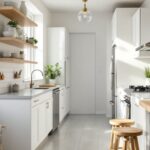
A middle-ground approach uses open shelving on one wall or flanking a window, with traditional cabinets elsewhere. This keeps practical storage while adding the airy feel of open shelving.
If you DIY floating shelves, use 3/4″ steel pipe or heavy-duty hidden bracket systems rated for the load. A 3-foot shelf stacked with dishes and glassware can weigh 50–80 lbs. Anchor brackets into wall studs (typically 16″ on center) using 3″ wood screws or toggle bolts in drywall if studs aren’t available. Many homeowners exploring current design ideas opt for a mix of both solutions.
How to Incorporate 2020 Design Elements Today
Updating a kitchen with 2020-era design principles doesn’t require gutting the space. Several high-impact, achievable projects bring the look without a full remodel.
Paint existing cabinets. As mentioned earlier, use a bonding primer and durable topcoat. Choose a matte or satin sheen for a modern look. If going two-tone, tackle the island or lowers first to test your process before committing to the whole kitchen.
Swap hardware. Replace dated knobs and pulls with matte black, brushed brass, or brushed nickel handles in simple profiles. A 3″ or 4″ center-to-center pull works on most drawers and doors. This is a 1–2 hour project that costs $3–$12 per pull depending on finish and brand.
Update lighting. Replace a single overhead fixture with 3–5 recessed LED cans (if ceiling access allows) or add plug-in or hardwired undercabinet LED strips. Many LED strips now offer tunable white (adjustable color temperature from 2700K warm to 5000K cool) for task vs. ambient lighting.
Install a simple backsplash. Large-format subway tile (3″ × 12″ or 4″ × 16″) in white or light gray, installed in a running bond or stacked grid pattern, updates the space without overwhelming it. A standard backsplash (18″–24″ high) behind a range and sink typically covers 30–60 square feet. Budget $8–$15 per square foot for materials (tile, thinset, grout) if DIYing.
Add open shelving. Remove one or two upper cabinets (non-structural, don’t touch load-bearing walls without a permit) and install 2–3 floating shelves using the anchoring methods described earlier. Finish raw wood with hard wax oil or water-based polyurethane (3 coats, sanding with 220-grit between coats).
Introduce natural texture. Swap out bar stools, add a wood cutting board as countertop decor, or hang woven baskets on open walls. These accents are inexpensive and reversible. Those looking to stay current with design trends often start with these smaller, no-demo updates.
If planning a larger renovation, consult resources like The Kitchn for layout ideas and product reviews. And remember: any work involving plumbing relocation, gas line changes, or structural modifications typically requires permits and may need licensed professionals. Check local building codes before starting demo.
The 2020 kitchen aesthetic wasn’t a flash-in-the-pan trend, it’s a set of practical, scalable design choices that prioritize function, durability, and visual calm. Whether you’re painting cabinets this weekend or planning a gut remodel next year, these principles still deliver kitchens that feel current, livable, and built to last.