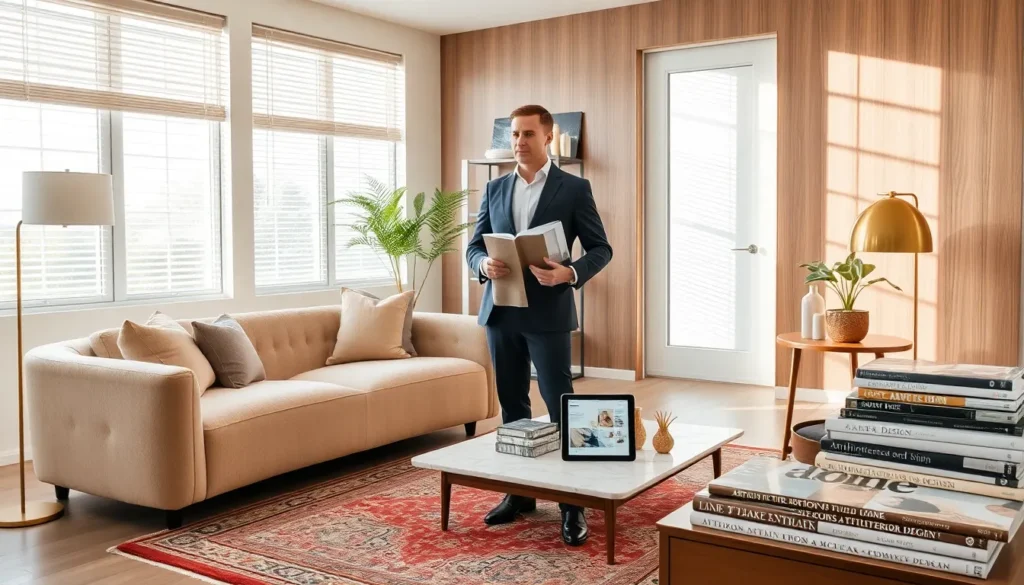
Learning how to interior design trends can transform any home into a stylish, updated space. Trends shift each year, bringing fresh colors, textures, and layouts into focus. The challenge? Knowing which trends work for a specific home and lifestyle. This guide breaks down practical steps for identifying, sourcing, and applying design trends without losing personal style or very costly.
Key Takeaways
- Interior design trends in 2025 emphasize warmth, texture, and sustainability—think earthy tones, curved furniture, and reclaimed materials.
- Use multiple sources like Pinterest, Instagram, design magazines, and showrooms to stay updated on the latest interior design trends.
- Apply the 80/20 rule: keep 80% of your space timeless and dedicate 20% to current trends for a balanced, lasting look.
- Incorporate trends affordably through thrift stores, DIY projects, and budget retailers like IKEA, Target, and H&M Home.
- Always filter interior design trends through your personal style and lifestyle needs—your home should reflect you, not just a magazine spread.
Understanding Current Interior Design Trends
Interior design trends in 2025 focus on warmth, texture, and sustainability. Earthy tones like terracotta, olive green, and warm beige dominate color palettes. Curved furniture continues to gain popularity, replacing sharp lines with soft, organic shapes. Sustainable materials, reclaimed wood, bamboo, and recycled metals, are now standard rather than niche.
Texture plays a big role this year. Bouclé fabrics, fluted wood panels, and natural stone surfaces add depth to rooms. Maximalism is making a comeback for those tired of stark minimalism. Bold patterns, collected objects, and layered textiles create spaces that feel lived-in.
Smart home integration remains strong. Hidden tech, motorized blinds, concealed speakers, and integrated lighting systems, keeps rooms looking clean while adding convenience. Biophilic design, which brings nature indoors through plants, natural light, and organic materials, continues to influence everything from living rooms to home offices.
Understanding these trends helps homeowners make informed choices. Not every trend suits every space. A small apartment might benefit from warm neutrals and curved furniture, while a larger home could handle bold maximalist statements.
Finding Reliable Sources for Design Inspiration
Good design starts with good sources. Pinterest remains one of the most popular platforms for interior design trends. Users can create boards organized by room, color scheme, or style. The algorithm learns preferences over time, serving increasingly relevant content.
Instagram offers real-time trend updates. Following interior designers, architects, and home decor brands provides a steady stream of ideas. Hashtags like #interiordesign, #homedecor, and #designtrends2025 help users discover new content.
Design magazines, both print and digital, offer curated, professional perspectives. Publications like Architectural Digest, Elle Decor, and Dwell feature projects from top designers. These sources often explain why certain trends work, not just what they look like.
Showrooms and furniture stores provide hands-on inspiration. Walking through IKEA, West Elm, or local design shops shows how professionals style pieces together. Trade shows like High Point Market set trends months before they hit mainstream stores.
Design blogs and YouTube channels offer tutorials and room tours. Creators often share budget-friendly alternatives to high-end looks. They break down color theory, furniture placement, and styling tips in accessible formats.
The key is using multiple sources. No single platform captures every interior design trend. Cross-referencing Pinterest boards with magazine features and showroom displays creates a complete picture.
Balancing Trends With Timeless Elements
Trends come and go. A room styled entirely around 2025 trends might feel dated by 2028. Smart decorators balance trendy pieces with timeless foundations.
Invest in classic furniture silhouettes for big-ticket items. A well-made sofa in a neutral color lasts decades. Mid-century modern pieces, Parsons tables, and Chesterfield sofas have remained stylish for generations. These pieces anchor a room while allowing trends to rotate around them.
Bring interior design trends through accessories and accents. Throw pillows, artwork, rugs, and decorative objects are easy to swap. A terracotta vase or bouclé throw adds trendy texture without a major commitment. When the trend passes, these items can be donated or stored.
Paint offers another low-commitment option. Accent walls in trending colors refresh a room quickly. When tastes change, a weekend project returns the space to neutral.
Timeless materials age well. Hardwood floors, marble countertops, and linen upholstery look better over time. Trendy materials like certain laminates or synthetic finishes can appear cheap as they wear.
The 80/20 rule works well here. Keep 80% of a room timeless and dedicate 20% to current trends. This ratio creates spaces that feel current without requiring constant updates.
Incorporating Trends on a Budget
Following interior design trends doesn’t require a designer budget. Smart shopping and DIY projects stretch dollars further.
Thrift stores and estate sales offer surprising finds. Vintage pieces often align with current trends, mid-century furniture, brass accents, and natural materials cycle back regularly. A $30 thrifted chair might need only new upholstery to look current.
DIY projects save money on simple updates. Painting old furniture, reupholstering dining chairs, or building floating shelves costs a fraction of buying new. YouTube tutorials walk beginners through most projects step by step.
Budget retailers translate high-end trends quickly. Target, IKEA, H&M Home, and Amazon carry affordable versions of trending items. A $200 bouclé accent chair captures the same look as a $2,000 designer piece.
Focus spending on visible areas. A trendy coffee table or statement light fixture makes a bigger impact than matching every accessory. Guests notice hero pieces more than coordinated details.
Shopping off-season saves money. End-of-summer sales offer outdoor furniture at deep discounts. January sales clear holiday inventory. Patience pays off.
Renting furniture works for temporary living situations. Services deliver trendy pieces monthly, allowing experimentation without commitment. This option suits people who move frequently or like to change styles often.
Adapting Trends to Your Personal Style
Interior design trends should enhance personal style, not replace it. A home should reflect who lives there, not a magazine spread.
Start by identifying personal preferences. Does a certain color palette appear repeatedly in saved images? Are there consistent textures or furniture styles? These patterns reveal authentic taste beneath passing trends.
Filter trends through this personal lens. Someone who loves minimalism might adopt soft curves and warm neutrals from 2025 trends while skipping maximalist patterns. A collector could embrace the maximalist trend fully while ignoring the clean-lined tech integration.
Mix eras and styles confidently. A vintage Persian rug works under a modern marble coffee table. Industrial lighting pairs with traditional upholstery. These combinations create unique spaces that feel personal rather than catalog-staged.
Consider lifestyle needs. A family with young children might skip white bouclé furniture regardless of how trendy it looks. A home cook needs functional kitchen storage over Instagram-worthy open shelving. Practical needs always come first.
Trust instincts over trends. If a popular style feels wrong, skip it. Personal comfort matters more than following every interior design trend. The best spaces feel authentic, they tell the story of who lives there.