Interior design trends shape how people decorate and organize their living spaces. These trends reflect cultural shifts, technological advances, and changing lifestyle preferences. In 2025, homeowners and renters seek fresh ideas to update their rooms with style and function.
This guide explains what interior design trends are, highlights the most popular styles right now, and shows how to apply them at home. Whether someone plans a full renovation or a quick refresh, understanding these trends helps create spaces that feel both current and personal.
Key Takeaways
- Interior design trends reflect cultural shifts, technology, and lifestyle changes—helping homeowners create spaces that feel both current and personal.
- Top interior design trends in 2025 include warm minimalism, curved furniture, biophilic design, bold color accents, and sustainable materials.
- Trends emerge from fashion crossovers, social media influence, economic conditions, and evolving cultural values like environmental awareness.
- Start small with accessories or paint to test new trends affordably before committing to larger purchases.
- Mix vintage finds with contemporary pieces to add character and tell a unique story about your personal style.
- Invest in timeless, neutral furniture for big-ticket items and save trend-forward choices for smaller, easily replaceable pieces.
Understanding Interior Design Trends
Interior design trends are popular styles, colors, materials, and layouts that gain widespread attention during a specific period. They influence furniture choices, wall finishes, lighting fixtures, and decorative accessories. Think of them as the fashion industry for homes.
These trends don’t appear randomly. They emerge from a mix of economic conditions, cultural movements, environmental awareness, and technological innovation. For example, the rise of remote work pushed open floor plans and dedicated home offices into the spotlight.
Interior design trends typically fall into a few categories:
- Color palettes: The dominant hues seen in paint, textiles, and accessories
- Materials: Preferred surfaces like natural wood, stone, metals, or sustainable alternatives
- Furniture styles: Shapes, silhouettes, and functional features
- Spatial layouts: How rooms flow and connect
- Decorative themes: Overarching aesthetics like minimalism, maximalism, or vintage revival
Some interior design trends last decades. Mid-century modern, for instance, has remained popular since the 1950s. Others flash bright and fade fast, remember the barn door craze? Understanding this distinction helps homeowners invest wisely. Spending big on a fleeting trend often leads to regret, while timeless choices provide lasting satisfaction.
Designers and industry experts track interior design trends through trade shows, fashion weeks, social media platforms, and consumer behavior studies. Pantone’s Color of the Year announcement each December signals what shades will dominate interiors in the coming months.
Top Interior Design Trends Shaping Homes Today
Several interior design trends stand out in 2025. Each reflects broader societal priorities around comfort, sustainability, and personal expression.
Warm Minimalism
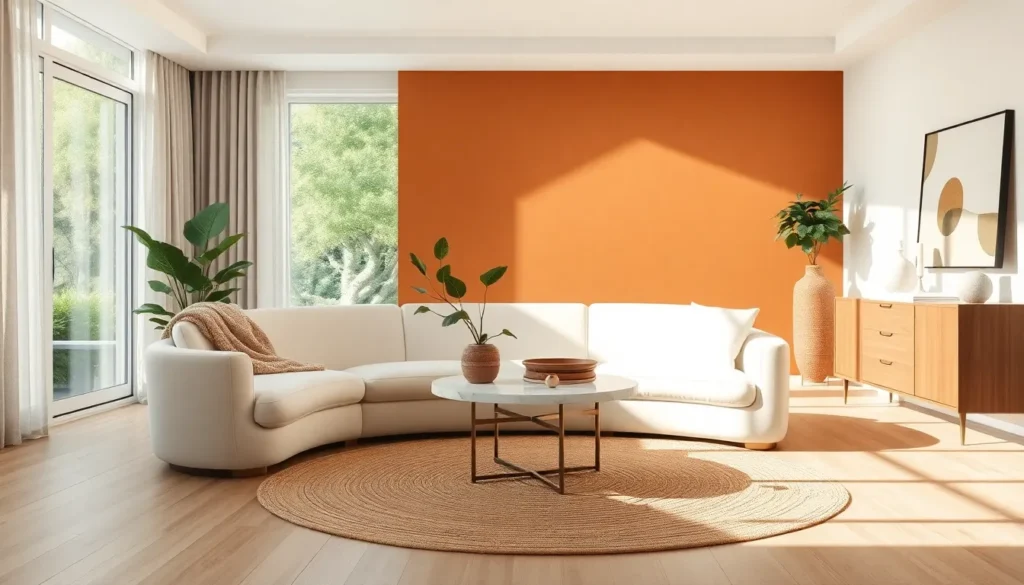
Cold, stark minimalism has given way to its warmer cousin. This trend keeps clutter at bay while adding soft textures, earthy tones, and organic shapes. Think cream-colored sofas, wood-grain coffee tables, and linen curtains. The result feels calm without seeming sterile.
Curved Furniture
Sharp angles are out. Rounded sofas, arched doorways, and circular mirrors dominate showrooms and design magazines. Curved furniture softens rooms and creates a more inviting atmosphere. It pairs especially well with open floor plans where hard edges can feel jarring.
Biophilic Design
Bringing nature indoors remains a major interior design trend. Large houseplants, living walls, natural light optimization, and water features help occupants feel connected to the outdoors. Studies show biophilic design reduces stress and improves productivity, a win for home offices.
Bold Color Statements
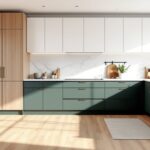
Neutral walls still dominate, but accent pieces now pop with saturated colors. Deep greens, terracotta oranges, and rich blues appear on statement chairs, kitchen cabinets, and bathroom vanities. This approach lets homeowners experiment without committing to a full color overhaul.
Sustainable Materials
Eco-conscious choices influence interior design trends significantly. Recycled metals, reclaimed wood, bamboo flooring, and organic fabrics appeal to buyers who prioritize environmental responsibility. Many furniture brands now highlight sustainability credentials prominently.
Vintage and Antique Mixing
Brand-new-everything rooms feel impersonal to many. The current trend blends vintage finds with contemporary pieces. A mid-century credenza might sit beneath a modern abstract painting. This mix adds character and tells a story about the homeowner’s taste.
How Interior Design Trends Emerge and Evolve
Interior design trends don’t materialize from thin air. They follow predictable patterns influenced by multiple forces.
Fashion Industry Crossover: What appears on runways often shows up in homes 12 to 18 months later. The color palettes, textures, and patterns that dominate clothing collections gradually migrate to furniture, textiles, and wall treatments.
Technology and Innovation: New manufacturing techniques create fresh possibilities. 3D printing now produces complex furniture shapes previously impossible to mass-produce. Smart home integration influences how rooms get wired and organized.
Economic Conditions: During recessions, people tend toward practical, durable choices. Economic booms encourage splurging on statement pieces and luxury materials. The post-pandemic period saw increased investment in home spaces as people spent more time indoors.
Social Media Influence: Platforms like Instagram, Pinterest, and TikTok accelerate how quickly interior design trends spread. A single viral room tour can spark millions of copycat projects within weeks. This speed means trends cycle faster than they did a generation ago.
Cultural Shifts: Changing values shape preferences. Growing environmental awareness drives demand for sustainable materials. Increased focus on mental health makes calming color schemes and clutter-free spaces more appealing.
Interior design trends typically follow a lifecycle. They start among early adopters and professional designers. Next, they appear in high-end publications and trade shows. Eventually, mass-market retailers adopt them, making them accessible to average consumers. Finally, saturation leads to backlash, and new trends emerge to replace the old.
Ways to Incorporate Current Trends Into Your Space
Applying interior design trends doesn’t require a complete renovation. Smart, targeted updates can refresh any room affordably.
Start Small with Accessories
Throw pillows, area rugs, and decorative objects offer low-risk ways to test trends. Swap out a few pieces seasonally to keep spaces feeling current. If a trend doesn’t work, the financial loss stays minimal.
Focus on One Statement Piece
A single bold item can anchor an entire room. Consider a curved velvet sofa, an oversized pendant light, or an antique cabinet. Build the rest of the room around this focal point using complementary colors and textures.
Update Paint Colors Strategically
Paint delivers major impact at modest cost. An accent wall in a trending shade transforms a room in a weekend. For renters, removable wallpaper offers similar results without lease violations.
Invest Wisely in Big Purchases
Large furniture pieces should balance trendiness with longevity. Choose classic silhouettes in neutral colors for sofas and beds. These items last longer both physically and stylistically. Save trend-forward choices for smaller, more replaceable items.
Layer Textures and Materials
Current interior design trends favor tactile variety. Combine smooth leather with nubby wool, polished metal with matte ceramic, and sleek glass with rough stone. This layering adds depth and visual interest without following any single trend too literally.
Shop Secondhand
Vintage and thrift stores offer unique pieces that align with the mixing-old-and-new trend. They also support sustainability goals and save money. Many designers source statement items from estate sales and consignment shops.