The top interior design trends for 2025 reflect a shift toward comfort, authenticity, and conscious living. Homeowners want spaces that feel personal, grounded, and connected to nature. This year brings a mix of warm textures, bold color choices, and sustainable materials that redefine modern interiors.
Whether someone plans a full renovation or a simple refresh, these interior design trends offer practical inspiration. From curved furniture to biophilic elements, each trend balances aesthetics with livability. Here’s what’s shaping homes in 2025, and how to incorporate these ideas into any space.
Key Takeaways
- Top interior design trends in 2025 prioritize comfort, authenticity, and sustainable living over fleeting aesthetics.
- Warm minimalism combines clean lines with organic materials like linen, oak, and stone to create calm, functional spaces.
- Bold color palettes featuring jewel tones and statement pieces are replacing years of neutral dominance in modern interiors.
- Biophilic design brings nature indoors through plants, natural materials, and earth-toned color schemes to boost well-being.
- Curved furniture and soft silhouettes replace sharp angles, creating welcoming spaces with better flow and comfort.
- Sustainability drives interior design trends toward vintage finds, eco-friendly materials, and quality pieces that last for decades.
Warm Minimalism and Organic Materials
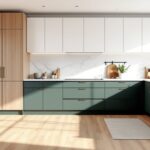
Warm minimalism has become one of the most popular interior design trends in 2025. This style moves away from stark, cold spaces. Instead, it embraces a softer approach that combines clean lines with natural warmth.
The foundation of warm minimalism lies in organic materials. Think linen upholstery, oak wood floors, and stone countertops. These elements add texture and depth without clutter. The color palette stays neutral, think cream, terracotta, soft brown, and warm gray tones.
Furniture in warm minimalist spaces serves a purpose. Every piece earns its place. A single statement chair, a handcrafted wooden coffee table, or a textured area rug can anchor an entire room. The goal is intentional simplicity, not empty spaces.
Lighting plays a key role too. Natural light takes priority. Sheer curtains replace heavy drapes. When artificial light is needed, warm-toned bulbs and sculptural fixtures create an inviting glow.
This interior design trend appeals to those who want calm, functional homes without sacrificing style. It proves that less can feel more, especially when materials carry visual interest.
Bold Color Palettes and Statement Pieces
After years of neutral dominance, bold colors are back among the top interior design trends. Homeowners now embrace rich jewel tones, earthy greens, and deep blues in their spaces.
Burgundy, forest green, mustard yellow, and cobalt blue appear on accent walls, furniture, and decor items. These colors add personality and energy to rooms. They work especially well in living rooms, dining areas, and home offices where visual impact matters.
Statement pieces anchor these bold palettes. A velvet emerald sofa becomes the focal point of a living room. An oversized piece of abstract art commands attention on a gallery wall. A vintage brass chandelier adds drama to a dining space.
The trick with this interior design trend is balance. Bold doesn’t mean chaotic. Designers recommend choosing one or two strong colors and building around them. Neutral backgrounds, white walls, natural wood floors, let statement pieces shine without overwhelming the senses.
Pattern mixing also gains popularity. Geometric prints, florals, and stripes can coexist when they share a cohesive color story. This approach brings depth and visual interest to any room.
For those hesitant to commit, removable wallpaper and colorful throw pillows offer low-risk entry points into this interior design trend.
Biophilic Design and Natural Elements
Biophilic design remains a defining interior design trend in 2025. This approach brings nature indoors to improve well-being and create calming environments.
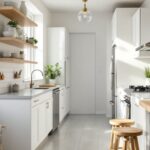
Plants take center stage. From trailing pothos in hanging planters to large fiddle leaf figs in corners, greenery appears throughout modern homes. Living walls, vertical gardens mounted on interior surfaces, make dramatic statements in entryways and living rooms.
Beyond plants, biophilic design incorporates natural materials and patterns. Wood grain, stone textures, and water features evoke the outdoors. Wallpapers with botanical prints and nature-inspired artwork reinforce this connection.
Natural light receives special attention in biophilic spaces. Large windows, skylights, and glass doors blur the line between inside and outside. When views of nature exist, furniture arrangements frame them as focal points.
Color palettes in biophilic interior design trends draw from earth and sky. Soft greens, sandy beiges, ocean blues, and sunset oranges create harmonious schemes. These colors feel grounding and restorative.
Research supports the benefits of biophilic design. Exposure to natural elements reduces stress, improves focus, and boosts mood. This makes the interior design trend particularly relevant for home offices and bedrooms where relaxation and productivity matter most.
Curved Furniture and Soft Silhouettes
Sharp angles are giving way to curves. Rounded furniture has emerged as one of the standout interior design trends this year. Sofas, chairs, tables, and mirrors now feature soft, flowing lines.
This shift reflects a desire for comfort and approachability in home design. Curved pieces feel welcoming. They invite people to sit, relax, and linger. A kidney-shaped sofa or a round dining table creates natural flow in a room.
Arched doorways, curved built-ins, and rounded architectural details also gain popularity. These features soften the hard edges typical of modern construction. They add character and a sense of craftsmanship to spaces.
Boucle fabric pairs perfectly with curved furniture. This textured, looped material adds visual softness and tactile appeal. Boucle sofas, accent chairs, and ottomans appear throughout homes following this interior design trend.
Round mirrors replace rectangular ones in bathrooms, entryways, and bedrooms. Circular coffee tables become conversation starters. Even lighting fixtures embrace curves, globe pendants and arched floor lamps complement the aesthetic.
The curved furniture interior design trend works in both large and small spaces. In compact rooms, round pieces eliminate sharp corners and improve traffic flow. In larger areas, they create intimate seating arrangements within open floor plans.
Sustainable and Vintage Design Choices
Sustainability influences interior design trends more than ever in 2025. Homeowners prioritize eco-friendly materials, ethical production, and lasting quality over fast-furniture disposability.
Reclaimed wood, recycled metals, and low-VOC paints appear in conscious homes. Furniture made from responsibly sourced materials carries certifications that matter to informed buyers. Brands that prioritize environmental responsibility gain loyal customers.
Vintage and secondhand pieces play a major role in sustainable design. Antique furniture, thrifted decor, and family heirlooms add character that new items can’t replicate. A mid-century modern credenza or a vintage Persian rug tells a story.
This interior design trend also favors quality over quantity. Investing in well-made furniture that lasts decades beats buying cheap pieces that end up in landfills. Solid wood frames, durable upholstery, and timeless designs make financial and environmental sense.
Upcycling and DIY projects gain traction too. Painting old furniture, reupholstering chairs, and repurposing vintage finds give items new life. These projects add personal touches while reducing waste.
Local artisans and small-batch manufacturers benefit from this interior design trend. Handmade ceramics, woven textiles, and custom woodwork support communities and reduce shipping-related carbon footprints. The result? Homes that reflect values as much as aesthetics.