Interior design trends in 2025 reflect a clear shift toward comfort, sustainability, and personal expression. Homeowners want spaces that feel both calming and alive. They’re mixing natural materials with bold color choices. They’re choosing furniture that serves multiple purposes. And they’re making eco-friendly decisions without sacrificing style.
This year’s trends aren’t about following rigid rules. Instead, they focus on creating homes that actually work for the people living in them. From warm minimalist aesthetics to smart home integration, the interior design trends of 2025 balance function with beauty in refreshing ways.
Key Takeaways
- Interior design trends in 2025 prioritize comfort, sustainability, and personal expression over rigid style rules.
- Warm minimalism combines clean lines with organic materials like wood, stone, and linen to create cozy yet edited spaces.
- Bold jewel tones and expressive accents are making a comeback, rewarding personality over perfection in home design.
- Sustainable choices—including reclaimed materials, vintage furniture, and low-VOC paints—have become mainstream interior design trends.
- Multifunctional spaces and flexible furniture help homes adapt to work, relaxation, and entertainment needs throughout the day.
- Smart home technology now integrates seamlessly into design, enhancing daily life without dominating the aesthetic.
Warm Minimalism and Organic Materials
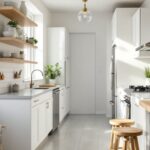
Warm minimalism has become one of the most popular interior design trends this year. It takes the clean lines of traditional minimalism and adds warmth through texture, color, and natural elements. Cold, sterile spaces are out. Inviting, cozy rooms are in.
This approach favors organic materials like wood, stone, linen, and wool. Think oak dining tables with visible grain patterns. Picture soft bouclé sofas in cream or camel tones. Imagine stone countertops with natural variations. These materials bring character to simple spaces.
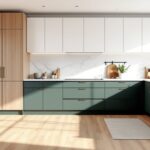
The color palette stays neutral but feels rich. Warm whites, soft beiges, terracotta, and muted greens dominate. These shades create a sense of calm without feeling boring or empty.
Furniture choices lean toward pieces with curved edges and sculptural forms. Sharp corners have given way to rounded shapes that feel more approachable. A curved armchair or an oval coffee table can soften an entire room.
Lighting plays a crucial role in warm minimalism. Interior design trends now emphasize layered lighting, ambient, task, and accent sources working together. Natural light remains the priority, with sheer curtains replacing heavy drapes.
The goal is simple: create rooms that feel edited but not empty. Every piece should earn its place. But those pieces should also make the space feel lived-in and welcoming.
Bold Colors and Expressive Accents
While warm minimalism focuses on restraint, another strong interior design trend pushes in the opposite direction. Bold colors and expressive accents are making a major comeback in 2025.
Deep jewel tones lead the charge. Emerald green, sapphire blue, and rich burgundy appear on accent walls, furniture, and decor. These colors add drama and personality to any room. They work especially well in spaces that get plenty of natural light.
Maximalism hasn’t fully returned, but homeowners are becoming braver with their choices. A single statement piece, like a bright orange velvet sofa or a hand-painted mural, can transform a neutral room.
Pattern mixing is also gaining confidence. Interior design trends show geometric prints paired with florals. Stripes sit next to abstract shapes. The key is keeping a common color thread running through different patterns.
Art and accessories get more personal this year. Mass-produced decor feels dated. Instead, people want pieces that tell stories, vintage finds, travel souvenirs, or work from local artists. These items give homes a collected-over-time feel rather than a decorated-all-at-once look.
Metallics add another layer of interest. Brass, copper, and gold finishes warm up spaces while adding subtle shine. Matte black hardware remains popular for a more grounded aesthetic.
The message is clear: don’t be afraid to express yourself. Interior design trends in 2025 reward personality over perfection.
Sustainable and Eco-Conscious Choices
Sustainability has moved from niche concern to mainstream priority. Today’s interior design trends reflect a genuine commitment to eco-conscious living.
Reclaimed and recycled materials appear everywhere. Reclaimed wood flooring, recycled glass countertops, and upcycled furniture all fit this trend. These materials reduce waste while adding unique character to homes.
Vintage and secondhand shopping has become stylish, not just economical. Antique stores, estate sales, and online resale platforms offer one-of-a-kind pieces. Buying used furniture keeps items out of landfills and adds history to modern spaces.
Interior design trends also favor products made from sustainable sources. Bamboo, cork, and responsibly harvested wood have become standard options. Fabrics made from organic cotton, hemp, and recycled fibers are widely available.
Low-VOC paints and finishes protect indoor air quality. These products release fewer harmful chemicals than traditional options. Many major paint brands now offer extensive low-VOC color selections.
Energy efficiency influences design decisions too. Large windows maximize natural light and reduce electricity use. Proper insulation and strategic window placement help regulate temperature naturally.
Durability matters more than ever. Interior design trends favor quality pieces built to last decades, not disposable items that need replacing every few years. Investing in well-made furniture costs more upfront but saves money and resources over time.
Multifunctional Spaces and Smart Integration
How people use their homes has changed dramatically. Interior design trends in 2025 respond with spaces that serve multiple purposes and technology that works quietly in the background.
Home offices haven’t disappeared, they’ve evolved. Instead of dedicated rooms, many homeowners prefer integrated work areas. A desk tucked into a living room corner. A closet converted into a compact workspace. The ability to close off work when the day ends.
Flexible furniture supports this shift. Dining tables double as desks. Ottomans contain hidden storage. Murphy beds fold away to reveal home gyms. Interior design trends favor pieces that adapt to changing needs throughout the day.
Open floor plans remain popular but with better zone definition. Area rugs, lighting changes, and furniture arrangement create distinct areas within larger spaces. This approach maintains openness while giving each function its own identity.
Smart home technology has become less visible and more useful. Automated lighting, climate control, and security systems operate through simple voice commands or phone apps. The best smart features blend into daily life without requiring constant attention.
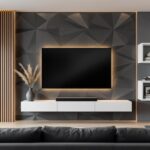
Interior design trends show technology hiding in plain sight. Wireless charging pads built into tabletops. Speakers disguised as decor objects. TVs that display art when not in use. The goal is seamless integration, technology that serves without dominating.
Storage solutions have become more creative. Built-in cabinets maximize unused spaces. Under-stair storage, window seat compartments, and floor-to-ceiling shelving help keep clutter under control.