This interior design trends guide covers the major shifts defining homes and commercial spaces in 2026. Designers and homeowners are moving away from sterile minimalism toward warmer, more expressive interiors. Natural materials, bold colors, and sustainable choices now dominate the conversation. Whether someone is renovating a single room or planning an entire home refresh, understanding these trends helps create spaces that feel current and personal. Here’s what matters most this year.
Key Takeaways
- This interior design trends guide highlights a shift toward warmer, expressive interiors featuring natural materials like wood, stone, and rattan.
- Bold color palettes—including terracotta, deep greens, and saturated blues—are replacing neutral tones as homeowners embrace maximalism.
- Sustainability is now a mainstream priority, with reclaimed materials, vintage furniture, and eco-certified products becoming standard choices.
- Multipurpose furniture and clever storage solutions merge functionality with aesthetic appeal to maximize space.
- Layering organic textures and mixing patterns creates depth and visual interest without clutter.
- Every design element should serve both a practical purpose and contribute to the room’s overall beauty.
Embracing Natural Materials and Organic Textures
Natural materials have taken center stage in 2026’s interior design trends guide. Stone, wood, rattan, and clay appear in everything from furniture to wall treatments. This shift reflects a collective desire to bring the outdoors inside.
Wood remains the dominant material, but the approach has changed. Designers now favor lighter tones like white oak and ash over the dark espresso finishes popular a decade ago. These lighter woods make rooms feel open and airy. They also pair well with other natural elements.
Stone has expanded beyond kitchen countertops. Travertine coffee tables, marble side tables, and soapstone decorative objects now fill living spaces. The key is selecting pieces with visible veining and natural imperfections. Perfect, polished surfaces feel outdated.
Textile choices follow this organic direction too. Bouclé fabric remains popular for upholstery. Linen curtains have replaced heavier drapes. Jute and sisal rugs add texture without overwhelming a room. These materials share one quality: they look and feel authentic.
The interior design trends guide for 2026 emphasizes layering these textures. A room might combine a wooden dining table, linen chairs, a stone vase, and a woven pendant light. Each material brings its own character. Together, they create depth without visual clutter.
Bold Color Palettes and Statement Accents
After years of greige and all-white interiors, color has returned with confidence. This interior design trends guide identifies several standout palettes for 2026.
Terracotta and rust tones lead the warm color category. These earth-inspired shades work as wall colors, upholstery choices, or accent pieces. They pair naturally with the organic materials discussed earlier. A terracotta armchair against white oak floors creates instant warmth.
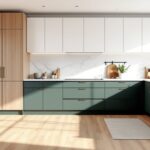
Deep greens continue their reign. Forest green, olive, and sage appear on kitchen cabinets, bathroom tiles, and velvet sofas. Green connects interior spaces to nature and works in both traditional and contemporary settings.
The surprise trend? Saturated blues. Cobalt, navy, and electric blue have moved beyond accent pillows. Homeowners now paint entire rooms in bold blue tones. A cobalt dining room or navy home office makes a statement that neutral palettes cannot.
Statement accents have also evolved. Oversized art dominates wall space. A single large painting now replaces gallery walls of smaller pieces. Sculptural lighting fixtures serve as focal points. Chandeliers and pendants feature organic shapes, asymmetrical designs, or unexpected materials like paper and ceramic.
The interior design trends guide notes one important shift: maximalism is acceptable again. Mixing patterns, combining bold colors, and displaying collected objects all feel current. The key is intentional curation rather than random accumulation.
Sustainable and Eco-Friendly Design Choices
Sustainability has moved from niche concern to mainstream priority. Every serious interior design trends guide now addresses eco-conscious choices.
Reclaimed and recycled materials top the list. Furniture made from reclaimed wood tells a story that new pieces cannot. Recycled glass tiles, recycled aluminum fixtures, and repurposed industrial elements all appear in 2026 interiors. These choices reduce waste while adding character.
Vintage and secondhand furniture has gained legitimacy. Designers now mix inherited pieces with new purchases. A 1970s credenza can anchor a contemporary living room. A vintage Persian rug adds warmth and history. This approach saves money while keeping items out of landfills.
Energy efficiency influences design decisions too. Large windows maximize natural light and reduce electricity use. Proper insulation choices affect everything from wall thickness to window treatments. Smart home technology helps manage heating, cooling, and lighting efficiently.
Material certifications matter to informed buyers. FSC-certified wood, GREENGUARD-certified furniture, and low-VOC paints have become standard requests. Manufacturers have responded with more certified options at various price points.
The interior design trends guide emphasizes that sustainability and style now align. Eco-friendly choices no longer require aesthetic compromise. Many sustainable materials, bamboo, cork, recycled metals, offer visual appeal alongside environmental benefits.
Blending Functionality With Aesthetic Appeal
The best interiors of 2026 refuse to choose between beauty and practicality. This interior design trends guide highlights how form and function merge.
Multipurpose furniture addresses space constraints. Ottomans with hidden storage, dining tables that extend for guests, and sofa beds that actually look good have improved dramatically. Designers now create pieces that serve multiple purposes without sacrificing visual appeal.
Home offices remain important. Remote work patterns have stabilized, and dedicated workspaces need long-term solutions. Built-in desks, attractive cable management, and ergonomic chairs with stylish designs all answer this need. The goal is a workspace that feels professional during work hours and blends into the home afterward.
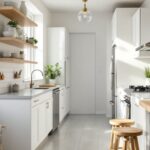
Kitchens prioritize working efficiency alongside aesthetics. Deeper drawers replace upper cabinets in many designs. Appliances hide behind cabinet panels. Countertop materials balance durability with beauty, quartz and quartzite meet both requirements.
Storage solutions have become design features themselves. Open shelving displays beautiful objects while keeping them accessible. Built-in wardrobes maximize bedroom space. Mudroom entries with dedicated spots for coats, shoes, and bags manage household chaos.
The interior design trends guide recognizes that every item in a room should earn its place. Decorative objects that serve no purpose feel wasteful. Functional items that look terrible frustrate homeowners. The 2026 approach demands both qualities in every choice.