Interior design trends for beginners can feel overwhelming at first glance. With countless styles, colors, and textures to choose from, where does someone even start? The good news is that creating a stylish space doesn’t require a professional degree or a massive budget. It just takes a bit of knowledge, some intentional choices, and the willingness to experiment.
This guide breaks down the essentials of interior design trends in a way that’s accessible and practical. Beginners will learn the foundational principles, discover the hottest looks for 2026, and pick up strategies for making any space feel polished without going overboard. Whether someone is decorating their first apartment or refreshing a tired living room, these tips will help them get started with confidence.
Key Takeaways
- Interior design trends for beginners start with mastering balance, proportion, color theory, and layered lighting before exploring current styles.
- Warm minimalism, curved furniture, and nature-inspired palettes are approachable 2026 trends that won’t feel dated quickly.
- Incorporate one interior design trend at a time using accessories like pillows, throws, and artwork to avoid overwhelming your space.
- Shop secondhand and prioritize high-impact changes like paint and statement rugs to achieve stylish results on a budget.
- Invest in quality for everyday pieces like sofas and dining tables while saving on decorative accents that can be easily swapped out.
Understanding the Basics of Interior Design
Before jumping into the latest interior design trends, beginners need to understand a few core principles. These fundamentals apply regardless of style preferences or budget constraints.
Balance and Proportion
Every room needs visual balance. This means distributing furniture, colors, and decorative objects so that one area doesn’t feel heavier than another. Symmetrical balance uses matching elements on either side of a central point, think two identical lamps on a console table. Asymmetrical balance mixes different objects of similar visual weight for a more relaxed feel.
Proportion matters too. A tiny coffee table in front of an oversized sectional looks awkward. Items should relate to each other and to the room’s scale.
Color Theory Basics
Color sets the mood of a space. Warm tones like reds, oranges, and yellows create energy. Cool tones like blues and greens feel calm. Neutrals, whites, grays, beiges, offer flexibility and pair well with almost anything.
Beginners should start with a simple palette: one dominant color, one secondary color, and one accent. This approach prevents visual chaos while still allowing personality to shine through.
Lighting Layers
Lighting transforms a room. Designers recommend three types: ambient (general overhead lighting), task (focused light for specific activities), and accent (decorative or highlighting). A room with all three layers feels complete and functional.
Understanding these interior design basics gives beginners a solid foundation before they explore current trends.
Top Interior Design Trends to Try in 2026
Interior design trends shift constantly, but 2026 brings some exciting directions that work beautifully for beginners. These styles are approachable, adaptable, and won’t feel dated in a year or two.
Warm Minimalism
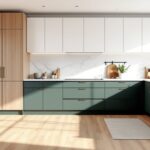
Forget cold, sterile spaces. The minimalism of 2026 embraces warmth. Think clean lines paired with rich wood tones, creamy whites instead of stark ones, and textured fabrics like boucle and linen. This interior design trend allows beginners to keep things simple without sacrificing coziness.
Curved Furniture
Sharp angles are taking a back seat. Rounded sofas, arched mirrors, and circular coffee tables dominate this year’s interior design trends. Curves soften a room and create flow. They’re also forgiving, curved pieces often fit into awkward spaces better than boxy alternatives.
Nature-Inspired Palettes
Earthy greens, terracotta, warm browns, and soft blues pull the outdoors inside. These colors connect spaces to nature and promote relaxation. Beginners can experiment with interior design trends using throw pillows, artwork, or a single accent wall in these tones.
Sustainable Materials
Eco-conscious choices are no longer optional, they’re expected. Reclaimed wood, recycled metals, organic textiles, and vintage furniture all fit this interior design trend. Sustainability also means buying quality pieces that last rather than cheap items that end up in landfills.
Statement Lighting
Light fixtures have become focal points. Sculptural pendants, oversized chandeliers, and artistic floor lamps add personality instantly. For beginners exploring interior design trends, swapping out a basic fixture for something bold offers major impact with minimal effort.
How to Incorporate Trends Without Overwhelming Your Space
Following every interior design trend at once creates visual noise. The goal isn’t to showcase trends, it’s to create a space that feels cohesive and personal.
Start with One Trend at a Time
Beginners should pick one interior design trend that resonates and build from there. Love curved furniture? Add a rounded ottoman or arched bookshelf before committing to a full sectional. This measured approach prevents costly mistakes.
Mix Trends with Timeless Pieces
Trendy items should complement classic furniture, not compete with it. A statement light fixture looks stunning above a simple wooden dining table. A nature-inspired color palette pairs perfectly with a neutral sofa that will outlast any trend cycle.
Use Accessories to Test the Waters
Pillows, throws, plants, artwork, and decorative objects let beginners experiment with interior design trends without permanent commitment. These items are affordable, easy to swap, and immediately refresh a room.
Consider the Room’s Function
A bedroom needs calm. A home office needs focus. A living room needs flexibility. Each space has a purpose, and interior design trends should support that purpose, not fight against it. Beginners should ask: Does this trend serve how I actually use this room?
Budget-Friendly Tips for Beginners
Great interior design doesn’t require deep pockets. Smart strategies help beginners achieve stylish results without financial stress.
Shop Secondhand First
Thrift stores, estate sales, and online marketplaces offer unique pieces at a fraction of retail prices. Vintage finds also align with sustainable interior design trends. That mid-century dresser or antique mirror? It adds character no big-box store can replicate.
DIY Where Possible
Painting furniture, reupholstering cushions, or creating custom artwork saves money and adds personal touches. YouTube tutorials make even ambitious projects accessible. Beginners shouldn’t underestimate what a weekend and some creativity can accomplish.
Prioritize High-Impact Changes
Paint transforms a room for under $100. New throw pillows cost $30. A statement rug anchors an entire space. Interior design trends often come down to strategic choices, not expensive overhauls. Beginners should identify the changes that deliver the most visual punch per dollar.
Wait for Sales
Furniture retailers run major promotions during holidays and seasonal transitions. Patience pays off. That dream sofa might drop 40% in price during a Labor Day sale.
Invest in Quality for Key Pieces
Budgeting wisely means spending more on items used daily, sofas, mattresses, dining tables, and saving on decorative accents. Quality furniture lasts decades and costs less per year than cheap alternatives that fall apart.