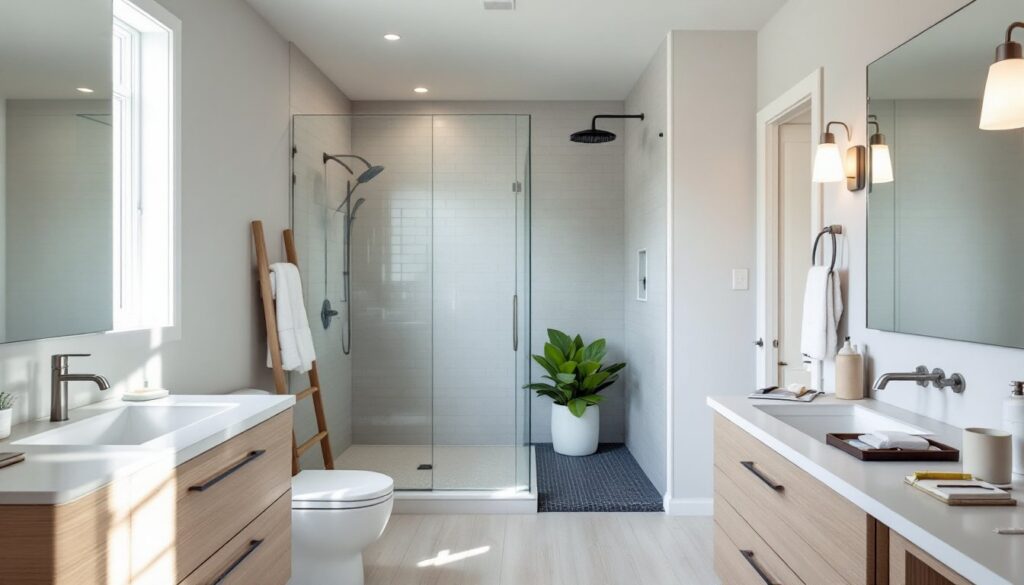
Designing a bathroom from scratch, or even reimagining an existing one, feels like a juggling act. You’re balancing budget, building codes, plumbing constraints, and personal style all at once. But here’s the good news: with a structured approach and honest planning, even a cramped powder room or dated master bath can transform into a functional, beautiful space. This guide walks through the design process step by step, from evaluating what you have to selecting the final towel bar. Whether you’re planning a full gut job or a cosmetic refresh, these practical steps will keep your project on track.
Key Takeaways
- Assess your current bathroom’s functionality and measure the space carefully, noting plumbing, electrical, and clearance requirements before making design decisions to design your bathroom successfully.
- Create a realistic budget broken into categories (labor, fixtures, structural work, and contingency) and decide upfront which tasks require licensed professionals versus what you can DIY.
- Plan your bathroom layout to respect building codes and maximize functionality, keeping the wet zone clustered and ensuring proper ventilation to prevent mold and water damage.
- Select a cohesive design style and color palette with 2–3 main colors, then test samples in your actual lighting to ensure materials look right in your space.
- Choose fixtures and materials that balance your style, budget, and function, prioritizing durability in wet areas with porcelain tile, proper waterproofing, and quality exhaust fans.
- Incorporate smart storage solutions like recessed niches, floating shelves, and organized vanity drawers to keep your bathroom functional and clutter-free long-term.
Assess Your Current Bathroom and Define Your Goals
Before picking out tile or browsing vanities, spend time understanding what actually works and what doesn’t in your current bathroom. This isn’t just about aesthetics, it’s about function, layout, and identifying deal-breakers.
Start by measuring the entire space: wall to wall, floor to ceiling. Note the location of existing plumbing fixtures (toilet, sink, tub/shower), electrical outlets, windows, and doors. Measure door swing clearances too. The International Residential Code (IRC) requires at least 21 inches of clear space in front of toilets and 30 inches in front of sinks, so understanding these constraints early saves headaches later.
Make a list of what frustrates you. Is the vanity too shallow? Does the shower lack water pressure or have no storage niches? Is there only one sink when two people share the space every morning? Rank these by priority, some issues (poor ventilation, leaky subfloor) need fixing: others (outdated tile color) are cosmetic.
Define who uses the bathroom and how. A kids’ bath needs durable, easy-to-clean surfaces and accessible storage. A primary suite might prioritize a walk-in shower with a bench and dual showerheads. Be realistic about must-haves versus nice-to-haves. If your space is 5×8 feet, a soaking tub and separate steam shower aren’t both happening without moving walls.
Create a Realistic Budget and Timeline
Bathroom renovations run from a few thousand dollars for a cosmetic refresh to well over $25,000 for a full remodel with high-end finishes and layout changes. Your budget dictates nearly every decision that follows.
Break your budget into categories: labor (40–50%), fixtures and finishes (30–40%), structural/plumbing/electrical (10–20%), and a contingency fund (10–15%). That contingency isn’t optional, older homes often reveal rot, outdated wiring, or asbestos once you open walls.
Decide what you’re DIYing and what requires a pro. Painting, installing vanities, swapping light fixtures, and laying tile are doable for confident DIYers. But anything involving moving drain lines, venting, gas lines, or load-bearing walls typically requires permits and licensed trades. Plumbing and electrical code violations can haunt you at resale or cause safety hazards.
Timeline-wise, a full bathroom remodel usually takes 3–6 weeks if you’re hiring contractors, longer if you’re DIYing nights and weekends. Cosmetic updates (new paint, vanity, mirror, lighting) can be done in a long weekend. Order lead times matter: custom vanities or specialty tile can take 8–12 weeks, so plan ordering early.
Get multiple quotes if hiring help. Ask about licensing, insurance, references, and whether they pull permits. A suspiciously low bid often means shortcuts.
Plan Your Bathroom Layout for Maximum Functionality
Layout is the skeleton of good bathroom design. Get this wrong and even the prettiest finishes won’t save the space.
If you’re keeping the existing plumbing in place (toilet, sink, tub/shower drains), you’ll save significantly on demo and rough-in costs. Moving a toilet drain more than a few inches often means breaking into the floor or ceiling below, possible in a single-story slab home, but expensive.
For new layouts or additions, follow basic clearances. The IRC and most building codes call for:
- 15 inches minimum from toilet centerline to any side wall or obstruction
- 30 inches wide × 21 inches deep clear floor space in front of the toilet
- 30 inches in front of the sink (can overlap with other clearances)
- At least 24 inches of clear space in front of the shower or tub entry
Think about door swing. A standard 30-inch or 32-inch door swinging into the bathroom is fine for most spaces, but pocket doors or barn doors work if clearance is tight. Just make sure the door doesn’t hit the toilet or vanity mid-swing.
Consider the wet zone. Cluster the tub and shower together and slope the floor or use proper waterproofing membrane (not just cement board, add RedGard, Kerdi, or similar). Poor waterproofing is the #1 cause of bathroom rot and mold.
Ventilation is non-negotiable. Most codes require either a window that opens or a bathroom exhaust fan rated for the space (typically 1 CFM per square foot). Skipping this invites mildew and peeling paint.
Choose Your Style and Color Palette
Style sets the mood and guides every material and finish choice that follows. The goal is cohesion, not a Pinterest board collage.
Start by choosing a design direction: modern, transitional, farmhouse, mid-century, industrial, coastal, or traditional. Each has signature cues. Modern leans on clean lines, floating vanities, large-format tile, and matte black or brushed nickel hardware. Farmhouse favors shiplap, freestanding tubs, apron sinks, and aged brass or oil-rubbed bronze finishes.
Pick a color palette with 2–3 main colors plus an accent. Neutrals (white, gray, beige, greige) are safe and timeless, especially for resale. Bold colors work as accents, navy cabinetry, emerald green tile, or a charcoal feature wall. Just remember that bright or trendy hues date faster.
Test samples in your actual bathroom lighting. A subway tile that looks crisp white in the store might read yellow under your existing warm bulbs. Paint a foam board or large swatch and prop it up for a few days. Look at it in morning daylight and evening artificial light.
Consider finish consistency. If you’re using chrome faucets, stick with chrome towel bars and cabinet pulls. Mixing metals can work (matte black faucet, brushed gold mirror frame), but it takes a confident eye. When in doubt, keep hardware finishes to two max.
Browse sites like Remodelista or HGTV for real-world layout ideas and material pairings, but adapt them to your space and skill level, not every design translates to a 60-square-foot bath.
Select Fixtures, Materials, and Finishes
This is where your style, budget, and function collide. Every fixture and surface must earn its spot.
Vanity and Sink
Choose vanity size based on available wall space and storage needs. Standard vanities are 24, 30, 36, 48, or 60 inches wide. Wall-mounted (floating) vanities make a small bath feel larger and simplify floor cleaning. Freestanding units offer more storage.
Sink options: undermount (clean look, easier to wipe), vessel (statement piece, harder to clean around), or integrated (seamless, often cultured marble or solid surface). For shared baths, a double sink requires at least 60 inches of vanity width.
Toilet
Standard two-piece toilets work fine and cost $150–$400. One-piece or wall-hung models look sleeker and are easier to clean but run $400–$1,200+. Check the rough-in dimension (distance from wall to drain center, usually 12 inches) before buying. Also consider WaterSense-certified models (1.28 gallons per flush or less) for water savings.
Tub and Shower
For tubs: alcove (three walls, most common), drop-in, freestanding, or corner. Acrylic and fiberglass are budget-friendly and lightweight. Cast iron or stone resin tubs are heavy, luxe, and pricey.
Shower options: prefab fiberglass units (cheap, fast install), tile showers (custom, more expensive, require skilled tile work and waterproofing), or glass enclosures. Use tempered or laminated safety glass for doors and panels.
Tile and Flooring
Porcelain or ceramic tile is the gold standard for bathroom floors and wet areas, waterproof, durable, available in endless styles. Large-format tiles (12×24 inches or larger) minimize grout lines. Smaller mosaics work for shower floors (better traction) and accent bands.
Grout matters. Use unsanded grout for joints under 1/8 inch, sanded for wider. Always seal grout in showers and floors. Epoxy grout resists stains and water better but is harder to work with.
Luxury vinyl plank (LVP) is a waterproof, DIY-friendly alternative to tile for floors, just ensure it’s rated for wet areas.
Lighting and Ventilation
Layer your lighting: overhead (recessed cans or a flush-mount fixture), task (sconces flanking the mirror), and accent (under-cabinet LED strips). Aim for 75–100 watts equivalent of light in a standard 5×8 bath. Use damp- or wet-rated fixtures near showers.
Install a quality exhaust fan. Look for 80+ CFM and a sone rating under 1.5 (quieter). Fans vented to the outside prevent moisture damage, never terminate in an attic.
Paint and Trim
Use satin or semi-gloss paint in bathrooms for moisture resistance and easy cleaning. Flat or matte finishes look nice but don’t hold up. Prime properly, especially over old oil-based paints or stains.
Consider moisture-resistant drywall (green board or purple board) behind tile or in high-moisture areas.
Add Storage Solutions and Final Touches
Good storage is the difference between a bathroom that functions smoothly and one that’s cluttered within a week.
Built-In and Recessed Storage
Recessed medicine cabinets fit between studs (typically 14.5 inches wide for a 16-inch on-center stud bay). Recessed shower niches are best framed during construction or remodel, not a DIY retrofit unless you’re comfortable opening walls and waterproofing.
Freestanding and Wall-Mounted
Floating shelves, ladder shelves, or over-toilet cabinets add storage without a full remodel. Use anchors rated for drywall or hit studs for anything holding more than a few towels.
Drawer organizers, pull-out trays, and under-sink caddies keep vanity interiors tidy.
Accessories and Hardware
Towel bars, robe hooks, toilet paper holders, and grab bars (if aging in place) should match your faucet and fixture finishes. Install blocking (solid wood backing) in walls during framing if you plan to add grab bars later, drywall anchors aren’t enough for safety.
Mirrors: go as large as the wall allows over the vanity. Backlit or edge-lit LED mirrors add modern flair and even task lighting.
Textiles and Decor
Choose bath mats, towels, and shower curtains that complement your palette. Use them to introduce texture or a pop of color without permanent commitment. Keep countertop decor minimal, soap dispenser, tray, small plant. Bathrooms aren’t living rooms.
Many interior design trends lean toward streamlined, spa-like bathrooms with hidden storage and clean surfaces. Follow that lead if resale is in your future.
Conclusion
Designing a bathroom isn’t just about picking pretty tile. It’s about understanding the bones of the space, respecting codes and clearances, and making intentional choices that balance style and function. Measure twice, plan thoroughly, and don’t skip the unglamorous stuff, ventilation, waterproofing, and proper underlayment matter more than the fanciest fixtures. Whether tackling a weekend refresh or a full remodel, these steps keep the project grounded, realistic, and on track.