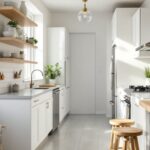
Looking for home organization examples that actually work? A clutter-free space reduces stress, saves time, and makes daily routines easier. The best part is that organizing doesn’t require a complete home renovation or expensive systems. Simple changes in each room can create lasting order.
This guide covers practical home organization examples for every space in the house. From kitchens overflowing with gadgets to garages packed with tools, each room presents unique challenges. The solutions here focus on accessible methods that anyone can carry out over a weekend, or even an afternoon.
Key Takeaways
- Effective home organization examples include pull-out drawer organizers, vertical dividers, and clear containers to maximize space in kitchens and pantries.
- Double-hang closet rods and file-folding techniques dramatically increase storage capacity in bedrooms and closets.
- Bathrooms benefit from stackable bins under sinks, corner caddies in showers, and magnetic strips inside cabinet doors.
- Entryway drop zones with hooks, shelves, and shoe storage prevent clutter from spreading throughout the house.
- Wall-mounted pegboards and slatwall panels in garages transform vertical space into accessible tool and equipment storage.
- Most home organization examples can be implemented over a weekend without expensive renovations or professional systems.
Kitchen Organization Ideas
The kitchen often becomes the busiest room in any home. Pots, pans, utensils, and pantry items compete for limited space. These home organization examples for kitchens prioritize accessibility and efficiency.
Cabinet and Drawer Solutions
Pull-out drawer organizers transform deep cabinets into functional storage. They eliminate the need to dig through stacked pots or forgotten Tupperware. Vertical dividers work well for baking sheets, cutting boards, and pan lids. They keep items upright and visible.
Drawer dividers sort utensils by type and frequency of use. Place everyday items like spatulas and wooden spoons in the front section. Store specialty tools toward the back.
Pantry Organization
Clear containers make a significant difference in pantry organization. They show contents at a glance and keep dry goods fresh longer. Label each container with its contents and expiration date.
Tiered shelf risers double visible storage space. They work especially well for canned goods and spice jars. Lazy Susans in corner cabinets provide easy access to oils, vinegars, and condiments.
Counter Space Management
Clearing counters creates visual calm and more workspace. Mount knife strips on walls. Use ceiling-hung pot racks if cabinet space runs short. Store appliances used less than weekly inside cabinets instead of on countertops.
Closet and Bedroom Storage Solutions
Bedrooms and closets require organization systems that support daily routines. These home organization examples focus on maximizing vertical space and creating logical zones.
Closet Layout Strategies
Double-hang rods immediately increase hanging capacity. Install a second rod below the main one for shirts, blouses, and folded pants. Reserve single-rod sections for dresses, coats, and longer garments.
Shelf dividers prevent folded clothes from toppling into messy stacks. They work particularly well for sweaters and jeans. Shoe racks on the closet floor or over-the-door organizers keep footwear visible and paired.
Drawer Organization
The file-folding method transforms drawer storage. Fold clothes into rectangles and store them vertically like files in a cabinet. This technique shows every item at once and prevents the common problem of forgotten clothes at the bottom of stacks.
Small bins or dividers inside drawers separate categories: socks in one section, underwear in another, accessories in a third.
Bedroom Furniture with Storage
Beds with built-in drawers provide significant hidden storage. They work well for seasonal clothing, extra bedding, or rarely used items. Nightstands with drawers or shelves keep bedside essentials organized and within reach. Wall-mounted shelves above headboards add display and storage space without taking floor area.
Bathroom Organization Tips
Bathrooms typically offer the least square footage but store numerous daily essentials. Smart home organization examples for bathrooms maximize every available inch.
Under-Sink Storage
Stackable bins and pull-out drawers transform the awkward space under bathroom sinks. Group items by category: hair products together, cleaning supplies separate, first aid items in their own container. Tension rods installed inside cabinets create hanging space for spray bottles.
Shower and Tub Areas
Corner caddies and tension pole shelves keep shampoos, soaps, and razors off tub edges. Suction-cup organizers work for renters who can’t drill into tile. Choose rust-resistant materials like stainless steel or coated wire.
Vanity and Counter Organization
Acrylic organizers with compartments sort makeup, brushes, and skincare products. Magnetic strips mounted inside cabinet doors hold bobby pins, tweezers, and small metal tools.
Medicine cabinets benefit from small shelf risers and door-mounted organizers. They turn a shallow cabinet into a functional storage system. Keep daily items at eye level and store less-used products higher or lower.
Living Room and Entryway Organization
Living rooms and entryways serve as gathering spaces and transition zones. Home organization examples for these areas balance function with aesthetics.
Entryway Systems
A dedicated drop zone prevents clutter from spreading through the house. Install hooks for keys, bags, and jackets. Add a small shelf or tray for wallets, sunglasses, and mail. Shoe storage, whether a bench with cubbies or a simple rack, keeps footwear from piling by the door.
Wall-mounted organizers with compartments can hold everything a family needs when heading out. Some include chalkboard or corkboard sections for notes and reminders.
Living Room Storage
Media consoles with closed cabinets hide electronics, cables, and gaming equipment. Cable management boxes or velcro ties keep cords organized behind furniture.
Ottomans with storage compartments serve double duty. They provide seating and a place to stash blankets, remotes, or magazines. Bookshelves with a mix of open and closed sections display decorative items while concealing less attractive necessities.
Toy and Game Organization
Families with children benefit from labeled bins or baskets. Clear bins let kids see contents, while fabric baskets create a neater appearance. Low shelving allows children to access and return toys independently, building organizational habits early.
Garage and Utility Space Examples
Garages and utility spaces often become dumping grounds for overflow items. These home organization examples reclaim these spaces for their intended purposes.
Wall-Mounted Systems
Pegboards and slatwall panels turn vertical space into active storage. They keep tools, sports equipment, and garden supplies visible and accessible. Hooks, baskets, and bins attach to these systems and can be rearranged as needs change.
Wall-mounted bike hooks and ceiling-mounted pulley systems store bicycles overhead, freeing floor space.
Shelving Solutions
Heavy-duty metal shelving units hold bins of seasonal decorations, camping gear, and bulk purchases. Label each bin clearly on the front and top for easy identification. Keep frequently used items on middle shelves at arm’s reach. Store seasonal or rarely used items higher.
Workbench Organization
A clear workbench provides space for projects. Magnetic tool bars, small parts organizers, and drawer units keep hardware sorted. Overhead cabinets store finishes, adhesives, and other supplies.
Utility Room Tips
Laundry rooms benefit from wall-mounted drying racks that fold flat when not in use. Shelving above washers and dryers stores detergents, stain removers, and fabric softeners. Rolling carts fit between machines and walls, providing additional accessible storage.