The best interior design trends for 2025 blend comfort, personality, and function in fresh ways. Homeowners and renters alike are moving away from sterile, cookie-cutter spaces. They want rooms that feel warm, look intentional, and work harder for daily life.
This year’s trends reflect a shift toward authenticity. Natural textures, bold color choices, and sustainable materials take center stage. At the same time, smart technology and flexible layouts address how people actually live, whether that’s working from home, hosting friends, or simply relaxing after a long day.
Here’s a look at the best interior design trends shaping homes in 2025 and how to bring them into your own space.
Key Takeaways
- Warm minimalism is one of the best interior design trends for 2025, combining clean lines with earthy tones, natural textures, and layered lighting for inviting spaces.
- Bold, saturated colors like deep burgundy, forest green, and cobalt blue are replacing safe neutrals—balance them with neutral backgrounds for maximum impact.
- Curved furniture and organic shapes create more welcoming, comfortable rooms while encouraging better flow and mimicking soothing natural forms.
- Sustainable design and vintage finds have become mainstream, with homeowners prioritizing reclaimed materials, quality craftsmanship, and one-of-a-kind secondhand pieces.
- Multifunctional spaces paired with seamless smart home technology address modern lifestyles, making rooms adaptable for work, relaxation, and entertaining.
Warm Minimalism and Natural Materials
Minimalism isn’t going anywhere, but it’s getting a serious makeover. Cold, stark interiors are out. Warm minimalism is in.
This best interior design trend keeps the clean lines and clutter-free ethos of traditional minimalism. But it swaps white walls and chrome accents for earthy tones and natural textures. Think soft beiges, warm terracottas, and muted greens. Pair those with raw wood, linen fabrics, and stone surfaces.
The goal? Spaces that feel calm without feeling empty.
Designers are using natural materials like oak, walnut, rattan, and travertine to add depth and character. These elements bring visual warmth and tactile interest to otherwise simple rooms. A chunky wooden coffee table or a jute rug can completely change how a space feels.
Lighting plays a big role here too. Soft, ambient lighting, think table lamps with fabric shades or pendant lights in organic shapes, creates an inviting glow. Harsh overhead fixtures are being replaced with layered lighting schemes that feel more intentional.
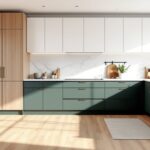
Warm minimalism works in any room. In bedrooms, it creates a restful retreat. In living areas, it encourages relaxation and connection. And in kitchens, natural wood cabinetry paired with stone countertops delivers both beauty and durability.
Bold Colors and Statement Accents
After years of playing it safe with neutrals, bold color is back in a big way. This best interior design trend encourages homeowners to embrace rich, saturated hues.
Deep burgundy, forest green, cobalt blue, and burnt orange are showing up on walls, furniture, and decor. These colors add personality and drama to any room. They work especially well as accent walls or on statement furniture pieces like velvet sofas or upholstered headboards.
But bold doesn’t mean chaotic. The key is balance. Designers recommend choosing one or two strong colors and grounding them with neutral backgrounds. A deep green accent wall looks stunning against warm white trim. A rust-colored armchair pops against a soft gray backdrop.
Statement accents extend beyond paint. Oversized artwork, sculptural light fixtures, and patterned textiles all serve as focal points. A single large-scale painting can anchor an entire room. Bold geometric rugs add energy to otherwise quiet spaces.
This trend also embraces the best interior design practice of mixing eras and styles. A mid-century modern chair in a jewel tone sitting next to a contemporary side table creates visual interest. It feels collected over time rather than purchased all at once.
For those hesitant to commit, start small. Colorful throw pillows, vibrant vases, or a painted door can test the waters before a bigger investment.
Curved Furniture and Organic Shapes
Sharp angles and boxy silhouettes are giving way to softer forms. Curved furniture and organic shapes represent one of the best interior design trends for creating inviting, comfortable spaces.
Rounded sofas, arched doorways, and circular mirrors dominate showrooms and design magazines. These shapes feel more approachable and relaxed than their angular counterparts. They also encourage better flow through a room, there are no harsh corners to navigate around.
The psychology behind this trend is simple. Curves feel safe and welcoming. They mimic forms found in nature, which humans naturally find soothing.
Popular curved pieces include kidney-shaped coffee tables, barrel chairs, and bouclé sofas with rounded backs. These items serve as conversation starters while remaining highly functional. Arc floor lamps sweep gracefully over seating areas. Oval dining tables create more intimate gatherings than rectangular ones.
Architectural curves are trending too. Arched niches, curved plaster walls, and rounded alcoves add character to new builds and renovations alike. Even simple additions, like an arched mirror or a rounded headboard, introduce this best interior design element without major construction.
This trend pairs beautifully with warm minimalism. The soft shapes complement natural materials and earthy color palettes. Together, they create spaces that feel both modern and timeless.
Sustainable and Vintage Design Elements
Sustainability has moved from niche concern to mainstream priority. The best interior design trends in 2025 reflect this shift with a strong emphasis on eco-friendly choices and vintage finds.
Homeowners are choosing furniture made from reclaimed wood, recycled metals, and low-VOC finishes. They’re asking where materials come from and how long pieces will last. Quality craftsmanship matters more than fast furniture that ends up in landfills within a few years.
Vintage and secondhand shopping has become a design strategy rather than a budget necessity. Antique markets, estate sales, and online resale platforms offer unique pieces with history and character. A vintage brass lamp or a 1970s credenza adds soul to a room that mass-produced items simply can’t match.
This best interior design approach also supports individuality. When everyone isn’t buying from the same big-box stores, homes look more personal. That one-of-a-kind sideboard tells a story. The inherited dining chairs carry meaning.
Upcycling and restoration are popular too. Refinishing old furniture, reupholstering vintage chairs, or repurposing architectural salvage keeps beautiful pieces in circulation. It’s creative, cost-effective, and better for the planet.
Designers recommend mixing vintage finds with contemporary pieces for a layered, lived-in look. The contrast keeps spaces feeling fresh rather than like a time capsule.
Multifunctional Spaces and Smart Home Integration
How people use their homes has changed dramatically. Remote work, hybrid schedules, and multigenerational living demand spaces that adapt. Multifunctional design and smart home technology address these needs head-on.
The best interior design solutions in 2025 prioritize flexibility. A guest bedroom doubles as a home office with a murphy bed and a fold-down desk. A dining room transforms into a assignments station or craft space. Living rooms accommodate movie nights, yoga sessions, and video calls, sometimes all in the same day.
Furniture supports this versatility. Modular sofas rearrange for different activities. Nesting tables expand when guests arrive and tuck away when they leave. Storage ottomans hide clutter while providing extra seating.
Smart home integration elevates these spaces further. Voice-controlled lighting adjusts for work, relaxation, or entertaining. Automated blinds respond to sunlight throughout the day. Smart thermostats learn preferences and optimize energy use.
These technologies are becoming more seamless and less obtrusive. Designers hide wires, integrate speakers into walls, and choose devices that blend with decor. The best interior design trend here is invisible technology, systems that enhance daily life without dominating the aesthetic.
Zoning is another key strategy. Room dividers, rugs, and lighting define distinct areas within open floor plans. A bookshelf separates a living area from a workspace. Different flooring materials signal transitions between zones.