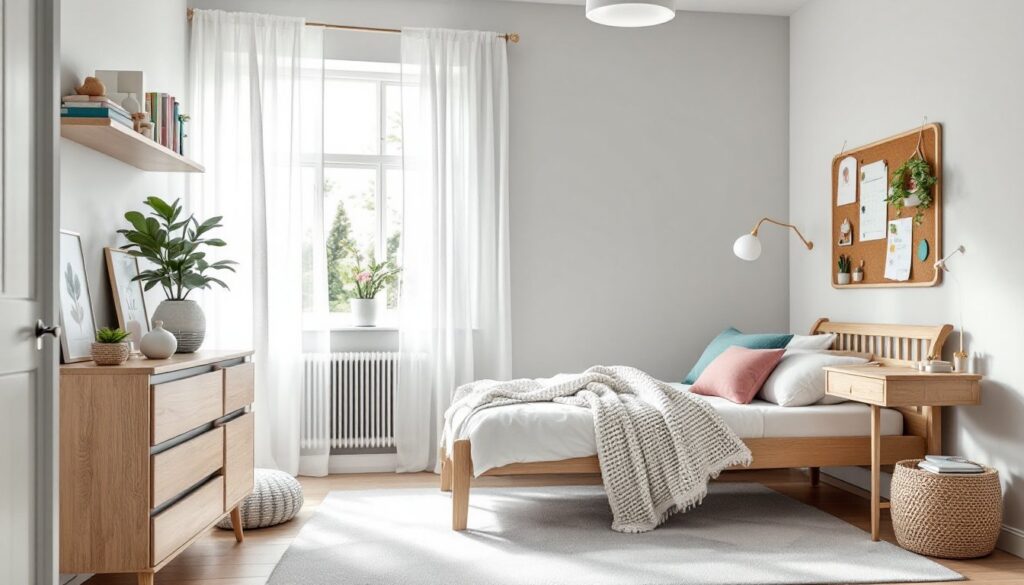
Designing a girl’s bedroom isn’t about slapping pink paint on the walls and calling it done. It’s about building a functional, adaptable space that reflects her personality, supports her daily routines, and can evolve as she grows. Whether you’re tackling a toddler’s first big-kid room or helping a teenager claim her independence, the same core principles apply: smart planning, durable materials, and thoughtful design choices that don’t require a full demo in two years. This guide walks through practical strategies for color, furniture, storage, lighting, and personalization, all grounded in what actually works long-term.
Key Takeaways
- Girls bedroom design benefits most from neutral wall colors and accent pieces that can swap easily as her interests evolve, avoiding expensive full repaints.
- Invest in durable, quality furniture with simple frames and designs—like standard-sized beds and solid wood dressers—that transition through childhood without becoming outgrown eyesores.
- Maximize storage with vertical shelving, under-bed drawers, and organized closets to support daily routines and reduce visual clutter across age ranges.
- Layer your lighting with dimmers, task lights at the desk (at least 450 lumens), and ambient nightlights to create flexibility for studying, sleeping, and play.
- Personalize the space through easily changeable elements like throw pillows, artwork, textile layering, and DIY projects rather than permanent themed installations.
- Plan for her age and development stage—younger kids need safety-focused, play-oriented zones while tweens and teens require study space, seating for friends, and greater privacy.
Choosing the Right Color Palette for Her Personality
Start with a neutral base on walls and larger furniture pieces. Eggshell or satin-finish paint in soft grays, warm whites, or light taupes provides a canvas that won’t date quickly and pairs with nearly any accent color. Paint typically covers 350–400 square feet per gallon, so a standard 10×12 bedroom needs about one gallon for two coats.
Let her personality show through accent walls or removable elements. If she’s drawn to bold hues, consider one accent wall in a deeper tone, paint is cheap to change, and it saves you from repainting the entire room when tastes shift. Peel-and-stick wallpaper offers another low-commitment option for pattern and color without the permanence of traditional wallpaper.
Avoid theme overkill. A bedroom plastered in character prints or ultra-specific motifs gets tired fast. Instead, pull colors from her current interests and apply them through bedding, curtains, rugs, and artwork. These elements swap out easily as she grows. Textiles also add texture and warmth, which keeps the room from feeling flat or sterile.
Test paint samples on at least two walls, one that gets natural light and one that doesn’t. Colors shift dramatically based on exposure, and what looks perfect in the store can read completely different once it’s up. Let samples dry for 24 hours and check them at different times of day before committing.
Smart Furniture Selection That Grows With Her
Prioritize pieces with longevity. A twin or full-size bed with a simple frame works from toddler years through high school. Skip the themed bed shaped like a castle or car, she’ll outgrow it, and you’ll be stuck with furniture you can’t repurpose or resell. Standard mattress sizes (twin: 38×75 inches, full: 54×75 inches) have widely available bedding, which matters when you’re replacing sheets or comforters.
Invest in a solid wood or quality composite dresser with dovetail drawer joints and full-extension glides. Cheap particle board dressers fall apart under daily use, especially with younger kids who yank drawers. A well-built dresser transitions from holding onesies to holding jeans and sweaters, and it can move to a guest room or home office later.
Consider a desk with adjustable height if she’s school-aged. As tasks shift from coloring to assignments to college prep, a desk that adapts saves you from buying new furniture every few years. Look for models with height-adjustable legs or stackable components that grow with her. Pair it with an ergonomic chair that supports good posture during long study sessions.
Skip built-ins unless you’re certain about layout. Fixed cabinetry and window seats look polished but lock you into one configuration. Freestanding furniture offers flexibility to rearrange as needs change. If you’re set on built-ins, hire a finish carpenter, these aren’t beginner DIY projects, and poor execution tanks resale value.
Creating Functional Storage Solutions
Maximize vertical space with wall-mounted shelving. Floating shelves or track-and-bracket systems (like standards and brackets spaced every 32 inches to hit studs) keep floors clear and provide display space for books, trophies, or collections. Use a stud finder and appropriate anchors, drywall anchors alone won’t support weight over time, especially with heavier items.
Under-bed storage is underutilized real estate. Rolling bins or drawers designed to slide under the bed frame work well for seasonal clothing, extra bedding, or sports gear. If you’re building a platform bed, incorporate drawer boxes on full-extension slides. Cut plywood to size, assemble with pocket screws, and finish with paint or stain to match the room.
Closet organization makes or breaks daily routines. Install a double-hang closet rod system to maximize hanging space for shorter items like shirts and skirts. Add a top shelf at 72–84 inches for bins or off-season storage. Closet rod should mount 40–42 inches from the floor for the lower rod and 80–82 inches for the upper rod in a standard 8-foot ceiling room.
Open storage (cubbies, bins, baskets) works better for younger kids who struggle with drawers and doors. Label bins with pictures for pre-readers. As she gets older, transition to closed storage to reduce visual clutter. Modular cube organizers offer flexibility, rearrange them, add fabric bins, or remove sections as needs evolve. Many of these modern storage approaches have become staples in functional bedroom design.
Lighting Design for Study, Sleep, and Play
Layer lighting to serve multiple functions. A single overhead fixture doesn’t cut it. Combine ambient, task, and accent lighting to create a flexible system that adapts throughout the day and to different activities.
Install a dimmer switch on the main ceiling fixture. This allows her to dial down brightness for bedtime or ramp it up for cleaning or playing. Most dimmer switches install in 15 minutes with basic electrical knowledge, turn off the breaker, remove the old switch, connect the dimmer per the included diagram (typically line, load, and ground wires), and restore power. If you’re uncomfortable with electrical work, hire a licensed electrician. This work falls under NEC (National Electrical Code) guidelines, and improper wiring creates fire hazards.
Add a task light at the desk with at least 450 lumens for reading and assignments. Adjustable-arm desk lamps or clamp lights offer targeted lighting without taking up desk surface. LED bulbs reduce heat and energy use, look for 3000K to 4000K color temperature for a neutral white that doesn’t strain eyes.
Nightlights or wall sconces near the door provide safe navigation at night without the harsh glare of overhead lights. Battery-operated or plug-in motion-sensor nightlights work well for younger children. For older girls, a small bedside lamp with a three-way bulb offers reading light and ambient glow.
Avoid placing lamps near curtains or bedding where they could create fire risks. Use UL-listed fixtures and keep cords tidy with cable clips or raceways along baseboards.
Personalizing With Decor and DIY Touches
Wall art doesn’t have to be expensive or permanent. Create a gallery wall using a mix of framed photos, prints, and her own artwork. Use picture-hanging strips or small nails to avoid large holes. Arrange frames on the floor first to test layouts before committing to the wall.
DIY projects add character without big budgets. Paint an old dresser in her favorite color, reupholster a thrift-store chair with durable fabric, or build simple floating shelves from 1×6 or 1×8 pine boards and L-brackets. Sand, prime, and paint wood pieces with a satin or semi-gloss finish for easy cleaning.
Textile layering brings warmth and personality. Mix throw pillows, blankets, and a quality area rug to anchor the space. Rugs also dampen sound in multi-story homes, important if her bedroom sits above a living area. Look for rugs at least 5×7 feet for a twin bed or 8×10 feet for a full bed to ensure proper scale.
Bulletin boards or pegboards mounted above the desk provide functional display space for schedules, photos, and inspiration. Pegboard installs easily with 1×2 furring strips as spacers behind the panel, allowing hooks and bins to slot in. Paint pegboard to match the room or leave it natural.
Rotate decor seasonally or as her interests change. Swapping out a few key pieces, pillows, artwork, curtains, refreshes the room without a full redesign. Storage bins keep off-season or outgrown decor organized for future use or donation. Inspiration for these personalized bedroom touches continues to evolve with current design trends.
Designing for Different Age Ranges
Toddlers and preschoolers (ages 2–5) need safety first. Anchor tall furniture like dressers and bookshelves to wall studs using furniture straps or L-brackets. Keep cords out of reach, cover outlets with safety plugs, and choose low beds or floor beds to prevent falls. Washable, durable surfaces (wipeable paint, stain-resistant rugs) save headaches during messy years.
Elementary-aged kids (ages 6–10) benefit from defined zones for sleep, play, and assignments. Use area rugs or furniture arrangement to create visual boundaries. Increase storage for books, toys, and school supplies. Involve her in color and decor choices to build ownership of the space.
Tweens and teens (ages 11+) want privacy and self-expression. Respect her input on layout, color, and furniture. Add seating for friends, floor cushions, a small loveseat, or a bench. Upgrade task lighting and desk space to support more intensive schoolwork. Consider soundproofing if she’s into music or wants more acoustic privacy: adding weatherstripping to the door and a thick rug helps dampen sound without major construction.
Each stage requires less whimsy and more function. What works at five won’t work at fifteen, so plan for adaptability from the start. Neutral foundational pieces and easily swapped accents are your best tools for longevity. Exploring age-appropriate layouts through resources like Homedit offers additional perspective on evolving design needs.
Conclusion
Building a girl’s bedroom that lasts means balancing her current personality with future flexibility. Neutral bases, quality furniture, smart storage, and layered lighting create a foundation that adapts as she grows. Let her voice guide the details, but keep the bones practical and durable. With thoughtful planning and a willingness to evolve the space over time, you’ll create a room she’s genuinely excited to call her own.