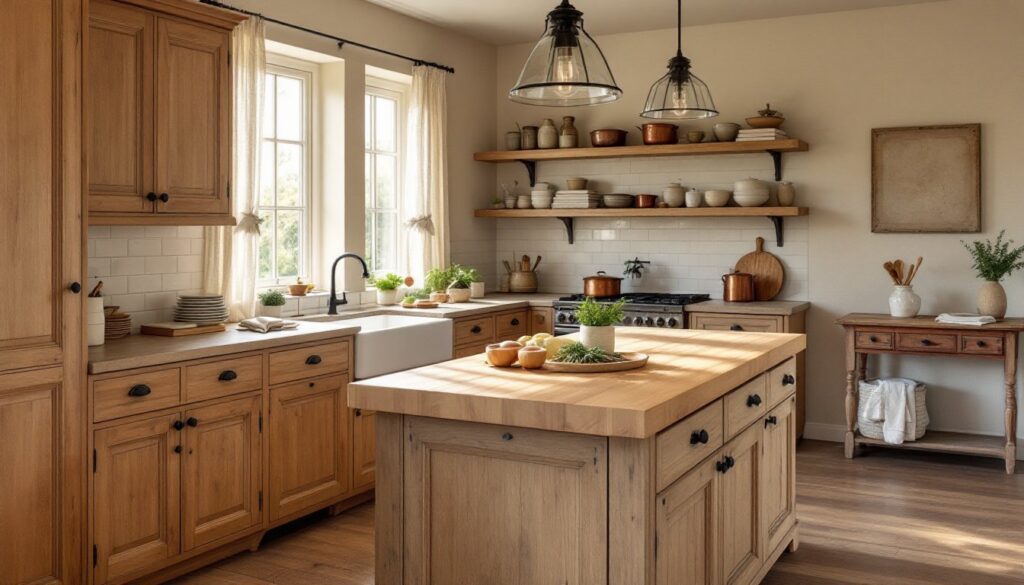
German kitchens carry a reputation for meticulous construction, functional elegance, and materials that age gracefully. Unlike trend-driven remodels that feel dated within a decade, traditional German kitchen design balances centuries-old craftsmanship with layouts that still make sense in modern homes. Think hand-planed wood cabinets, joinery that doesn’t need hardware to stay tight, and color palettes inspired by Alpine cottages and farmhouse practicality. Whether you’re planning a full renovation or looking to infuse European character into your existing space, understanding the principles behind this design tradition will help you make choices that look intentional, and last.
Key Takeaways
- Traditional German kitchen design prioritizes functional elegance through solid wood construction, timeless joinery, and layouts centered on the work triangle that remain practical for modern homes.
- Natural materials like oak, pine, cherry, and walnut with hand-rubbed finishes and authentic joinery (dovetails, mortise-and-tenon joints) create durable cabinetry that ages gracefully without relying on hardware.
- German kitchen color palettes feature earthy, muted tones—sage green, soft gray-blue, warm cream, and rich wood finishes—that reflect Alpine landscapes and avoid stark or trendy colors.
- Incorporating German design principles doesn’t require a full renovation; refacing cabinets, installing butcher block countertops, and upgrading lighting fixtures can introduce authentic European character affordably.
- Smart storage solutions like deep drawers with dividers, pull-out pantries, and selective open shelving maximize functionality while maintaining the lived-in, practical aesthetic of traditional German kitchens.
What Defines Traditional German Kitchen Design?
Traditional German kitchen design is rooted in the idea that a kitchen is a working room, not just a showpiece. Form follows function, but function doesn’t mean sacrificing beauty. The aesthetic borrows heavily from Alpine farmhouses, Black Forest cabinetry traditions, and the German concept of Gemütlichkeit, a sense of warmth, coziness, and well-being.
Cabinets are typically solid wood (oak, pine, cherry, or walnut) with visible grain and hand-finished surfaces. You won’t find a lot of high-gloss lacquer or frameless modern slabs here. Instead, expect framed cabinetry with inset or partial-overlay doors, dovetail drawer boxes, and mortise-and-tenon joints. Hardware is minimal, often just hand-forged iron or brass pulls.
Layouts prioritize the work triangle (stove, sink, refrigerator) but also build in zones for baking, food prep, and storage. Open shelving might hold copper pots or stoneware, and a large farmhouse table often anchors the space, doubling as prep surface and gathering spot.
Lighting tends to be warm and layered: pendant fixtures over work areas, under-cabinet task lighting, and natural light from windows with simple linen or no treatments. The overall effect is lived-in, practical, and quietly refined, closer to a working Gasthof kitchen than a sterile showroom.
Key Elements of German Kitchen Aesthetics
Natural Wood Cabinetry and Joinery
Solid wood construction is non-negotiable in traditional German kitchens. Engineered panels and veneers don’t carry the same weight or aging characteristics. Common choices include:
- Oak: Durable, prominent grain, takes stain well. Often seen in darker, aged finishes.
- Pine: Softer, lighter, with knots that add character. More common in Alpine or rustic styles.
- Cherry or walnut: Used for accent pieces, islands, or higher-end builds.
Cabinets are built using traditional joinery: dovetails for drawers, mortise-and-tenon for face frames, and dado joints for shelving. This isn’t just for show, it means the structure holds up without relying on screws and brackets. If you’re sourcing cabinets, look for all-wood drawer boxes (not particle board with a wood front) and full-extension undermount slides rated for at least 75 lbs.
Finishes are typically hand-rubbed oils or low-sheen lacquers that let the wood breathe and develop a patina. Avoid polyurethane if you want an authentic look, it yellows and feels plasticky. Osmo or Rubio Monocoat are good modern alternatives that maintain the traditional aesthetic.
Functional Layouts and Smart Storage Solutions
German kitchens don’t waste space. Storage is designed around the items you actually use, not around standard cabinet modules.
Deep drawers with dividers for pots, pans, and utensils are more common than base cabinets with shelves. Pull-out pantries, spice racks, and tray dividers are integrated into the cabinetry plan, not added as afterthoughts. Many traditional designs include a larder cabinet, a floor-to-ceiling unit with adjustable shelving for dry goods.
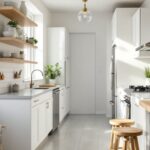
Open shelving appears selectively, often flanking a range or above a sink, displaying everyday dishes or copper cookware. This isn’t the Instagram-styled open shelving trend: it’s utilitarian and curated.
Countertops are typically butcher block, natural stone, or tile. Butcher block (usually beech, oak, or maple) is practical for food prep and adds warmth. Marble or soapstone shows up in higher-end builds. Avoid laminate or solid-surface materials if authenticity matters, they didn’t exist in traditional German kitchens and they don’t age the same way.
Backsplashes are simple: subway tile, handmade ceramics, or just a continuation of the wall finish. Grout lines should be tight and neat. If using tile, consider a brick-bond or running-bond pattern rather than stacked, it’s more forgiving and traditional.
Islands, when present, are often freestanding furniture pieces rather than built-in cabinetry. Think farmhouse table with storage below, or a butcher block prep station on turned legs.
Color Palettes in Traditional German Kitchens
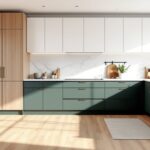
Traditional German kitchens favor earthy, muted tones that reflect natural materials and regional landscapes. Think forest greens, warm grays, creamy whites, and rich wood tones.
Common cabinet colors:
- Natural wood finishes (honey oak, walnut, weathered pine)
- Off-white or cream (not stark white)
- Sage green or moss green
- Slate blue or soft gray-blue
- Deep charcoal or black (used sparingly, often on lower cabinets or an island)
Walls are typically neutral: warm whites, beiges, or soft grays. Avoid cool whites or bright colors, they clash with the warm wood tones. If you’re painting, look for paints with an LRV (Light Reflectance Value) between 50–70 for walls, which keeps the space bright without feeling clinical.
Accent colors come from textiles, dishware, and natural elements. Terra cotta pots, copper cookware, linen towels in rust or indigo, and fresh herbs in ceramic planters all add warmth without disrupting the palette.
For inspiration and visual examples, browsing curated German kitchen photo galleries can help you see how these color principles translate into real spaces.
Flooring is usually wide-plank hardwood (oak or pine), natural stone tile, or terracotta. Avoid engineered luxury vinyl or high-gloss finishes, they don’t fit the aesthetic. If you’re working with existing flooring, a neutral area rug in jute or wool can bridge the gap.
How to Incorporate German Design Into Your Kitchen
You don’t need to gut your kitchen to bring in German design principles. Start with the elements that have the biggest visual and functional impact.
1. Swap or reface cabinets with solid wood
If your existing cabinets are structurally sound, refacing with solid wood veneer or replacing doors with inset-style panels can shift the look dramatically. Make sure the new doors are at least 3/4-inch thick, anything thinner reads as cheap. Add simple iron or brass pulls, and skip the knobs on drawers.
2. Install a butcher block countertop or island top
Butcher block is one of the most affordable ways to introduce warmth and authenticity. A 1.5-inch-thick edge-grain beech or maple top runs around $40–$60 per square foot, depending on your region. It requires regular oiling (mineral oil or beeswax blends) but develops character over time. If you’re handy, you can build a butcher block top from dimensional lumber (nominal 2x4s or 2x6s ripped and laminated), though you’ll need a planer, biscuit joiner, and clamps.
3. Add open shelving with brackets
Replace a few upper cabinets with chunky wood shelves (2-inch-thick pine or oak) on heavy-duty iron brackets. This works especially well flanking a range or over a sink. Keep items curated: stoneware, glassware, a few cookbooks. Dust is real, so don’t go overboard.
4. Upgrade lighting fixtures
Swap out builder-grade pendant lights for something with more presence. Look for hand-blown glass shades, wrought iron chandeliers, or simple porcelain pendants with Edison bulbs. Warm white LEDs (2700K–3000K) mimic incandescent glow without the heat.
5. Introduce ceramic tile backsplashes
Handmade or artisan-style ceramic tiles in neutral tones add texture and tradition. A 3×6-inch subway tile in matte white or cream, laid in a brick bond, is classic and DIY-friendly. Use unsanded grout for tight lines (1/16-inch) and seal it properly to prevent staining. For more remodel inspiration and sourcing ideas, design-focused platforms often feature European suppliers and finishes.
6. Paint cabinets in muted tones
If you’re keeping your existing cabinets, a fresh coat of milk paint or chalk-style paint in sage, soft gray, or cream can approximate the look. Lightly distress edges after painting for an aged effect, then seal with wax or a matte topcoat. Test on a sample door first.
7. Add a farmhouse table or freestanding island
A solid wood table (pine, oak, or reclaimed wood) can serve as both prep space and dining area. Look for something with a planked top and simple turned or tapered legs. If space allows, a freestanding butcher block cart adds function and European character.
Safety and permits:
Most aesthetic updates (painting, refacing, adding shelving) don’t require permits. But, if you’re moving plumbing, gas lines, or altering electrical (adding new circuits for appliances or lighting), check local codes. In many jurisdictions, electrical work must be done by a licensed electrician or inspected if DIY is allowed. When in doubt, call your local building department.
For broader kitchen design trends and practical tips, established home design resources can offer additional context and project ideas that complement the German aesthetic.
Conclusion
Traditional German kitchen design isn’t about chasing trends, it’s about investing in materials and layouts that improve with age. Solid wood, honest joinery, and functional beauty create spaces that feel grounded and intentional. Whether you’re building from scratch or updating piece by piece, focusing on quality over novelty will give you a kitchen that works as hard as it looks good.