When the world paused in 2020, homeowners turned their attention inward, literally. With more time spent at home, bathrooms transformed from purely functional spaces into personal retreats. The design trends that emerged weren’t fleeting fads but thoughtful shifts toward comfort, craftsmanship, and calm. Four years later, these ideas still hold up. Whether you’re planning a full gut job or a weekend refresh, the bathroom design ideas from 2020 offer a blueprint that balances style with substance, and most are achievable with basic tools and a clear plan.
Key Takeaways
- Bathroom remodel ideas from 2020 prioritize natural materials, tactile textures, and functional design that remain relevant and timeless four years later.
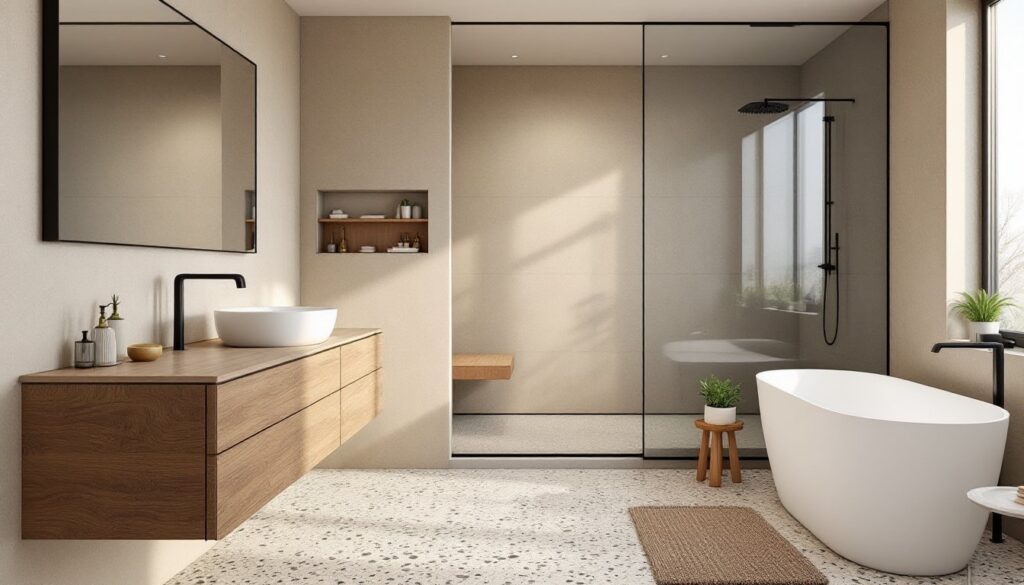
- Matte black fixtures paired with natural stone, wood, and clay surfaces create a spa-inspired aesthetic that hides imperfections better than polished finishes.
- Bold tile patterns like terrazzo, encaustic cement, and large-format porcelain transform floors into focal points while making cleaning easier than traditional subway tiles.
- Spa-inspired features such as curbless showers, radiant floor heating, and soaking tubs require proper waterproofing and structural planning but significantly enhance daily comfort and accessibility.
- Smart storage solutions including floating vanities, recessed niches, and integrated medicine cabinets maximize space and reduce clutter in smaller bathrooms.
- Successful bathroom remodel execution depends on addressing the foundation first—proper subflooring, waterproofing, and framing—before investing in finishes to ensure durability.
Why 2020 Bathroom Design Trends Remain Relevant Today
The bathroom remodels that gained traction in 2020 weren’t driven by novelty. They reflected a shift in how people used their homes. With remote work and limited travel, homeowners invested in spaces that offered daily comfort rather than occasional wow factor.
Unlike earlier trends that leaned heavily on industrial minimalism or farmhouse kitsch, 2020 designs emphasized natural materials, tactile surfaces, and purposeful luxury. These aren’t the kind of choices that age out quickly. A well-installed terrazzo floor or a custom oak vanity doesn’t look dated after a season, it builds character.
From a practical standpoint, many of these updates also improve function. Floating vanities create easier cleaning access. Larger-format tiles mean fewer grout lines to scrub. Matte finishes hide water spots better than polished chrome. The aesthetic appeal is there, but so is the logic, which is why contractors and DIYers alike continue to pull from this playbook.
Natural Materials and Organic Textures
Wood, stone, and clay became the backbone of 2020 bathroom aesthetics. Instead of sterile white subway tile from floor to ceiling, designers layered in warmth through teak shower benches, travertine slabs, and lime-washed plaster walls.
If you’re working with a standard 5′ x 8′ bathroom, even small material swaps make an impact. Replace a plastic vanity with a 36-inch solid wood console, look for poplar or oak if you’re staining it yourself, or go with prefinished walnut if the budget allows. Seal it properly with a polyurethane topcoat rated for moisture exposure, especially near the sink.
For walls, natural clay plaster or Venetian plaster finishes offer texture without tile. These require a skilled hand if you want a polished look, but they’re DIY-friendly for a more rustic application. Pair them with unlacquered brass hardware, which develops a patina over time, adding to the organic feel.
Stone vessel sinks carved from marble or granite were everywhere in popular bathroom galleries during this period. They’re heavy, plan for solid countertop support. A 1.5-inch thick stone slab or hardwood base works best. These sinks don’t use standard pop-up drains: you’ll need a grid or lift-and-turn drain, typically 1.5 inches in diameter.
Safety note: Cutting or grinding stone generates silica dust. Always wear a NIOSH-approved N95 respirator and work in a ventilated area or outdoors.
Bold Tile Patterns and Statement Floors
Subway tile didn’t disappear in 2020, but it took a back seat to geometric mosaics, terrazzo, and large-format porcelain slabs. Floors became the focal point, especially in powder rooms and small baths where a dramatic pattern wouldn’t overwhelm.
Encaustic cement tiles surged in popularity, handmade, pigmented through the body, not just surface-glazed. They come in intricate patterns: Moroccan florals, Cuban geometrics, Spanish quatrefoils. Installation is straightforward if you’ve laid tile before, but note that cement tile is porous. Seal it with a penetrating sealer before grouting, then again after. Skip this and you’ll embed grout haze permanently.
For a budget-friendly alternative, porcelain tile that mimics encaustic patterns offers the look without the maintenance. Brands like Daltile and Interceramic carry these at around $6–$10 per square foot, compared to $15–$25 for true cement tile.
Terrazzo, a composite of marble, quartz, or glass chips set in cement or resin, also made a comeback. Historically poured in place, modern terrazzo is available in 12″ x 12″ or 24″ x 24″ tiles, much easier for DIY installation. It’s durable, timeless, and hides hairline cracks better than solid stone.
When tiling a bathroom floor, always check your subfloor deflection. The tile industry recommends L/360 deflection or less for ceramic and porcelain. If your floor feels bouncy, add a layer of ½-inch cement backer board or reinforce joists before tiling, or you’ll see cracked grout within months.
Use a ¼-inch square-notch trowel for wall tiles and a ½-inch square-notch for floors. Back-butter any tiles larger than 8″ x 8″ to ensure full mortar coverage.
Matte Black Fixtures and Hardware
Polished chrome ruled bathrooms for decades, but 2020 flipped the script with matte black faucets, showerheads, and cabinet pulls. The finish is soft, hides fingerprints, and pairs cleanly with nearly any tile or countertop.
From a plumbing standpoint, matte black is just a PVD (physical vapor deposition) coating applied over brass or stainless steel. It’s more durable than paint or powder coat and resists scratching and tarnishing. Most quality fixtures carry a limited lifetime warranty on the finish.
If you’re swapping out a chrome faucet for matte black, the rough-in won’t change, standard 8-inch centerset or widespread configurations still apply. You’ll need an adjustable wrench and basin wrench for under-sink nuts. Use plumber’s tape (PTFE) on threaded connections, but don’t overtighten, brass fittings can crack.
Matte black shower valves look sharp but require planning. If you’re replacing an old valve, verify your wall thickness. Most trim kits are designed for 2″ x 4″ stud walls (3.5 inches actual), but older homes might have 2″ x 6″ or plaster over lath, requiring valve extensions.
Pair matte black with matching towel bars, toilet paper holders, and robe hooks. Mixing finishes can work, but it takes a confident eye. Stick with one dominant metal unless you’re also introducing brass or bronze intentionally.
Cleaning tip: Avoid abrasive cleaners. Wipe matte black with a damp microfiber cloth and mild dish soap. Vinegar or citrus-based cleaners can dull the finish over time.
Spa-Inspired Features for Daily Relaxation
Curbless showers, soaking tubs, and heated floors moved from luxury upgrades to must-haves in 2020. These aren’t purely cosmetic, they change how a bathroom functions and feels.
A curbless or low-threshold shower creates a seamless transition from the bathroom floor. It’s easier to clean, improves accessibility, and opens up sightlines in small spaces. Installation isn’t trivial. The shower pan needs a minimum 2% slope toward the drain, which often means lowering the subfloor in that area or using a linear drain along one edge.
Linear drains are longer (typically 24″ to 48″) and sit flush with the tile. They handle water flow more efficiently than a center drain and allow for larger-format tiles without awkward cuts. Expect to pay $200–$500 for the drain assembly, plus waterproofing membrane and tile.
Waterproofing is non-negotiable. Use a liquid-applied membrane like RedGard or a sheet membrane like Schluter Kerdi over cement board. Overlap seams, seal penetrations, and run the membrane at least 6 inches up the walls. Skipping this step invites mold, rot, and subfloor failure.
For a spa vibe, add a teak or cedar shower bench. Teak is naturally water-resistant due to its oil content, but even teak benefits from an annual coat of teak oil or sealer. If building your own, use stainless steel or brass screws, regular steel will rust and stain the wood.
Radiant floor heating is another 2020 carryover. Electric mat systems (like Warmup or Schluter Ditra-Heat) install directly under tile. They’re about $12–$15 per square foot for materials and draw roughly 12 watts per square foot. Wire them to a programmable thermostat so the floor warms up before morning showers. Installation requires basic electrical skills: if you’re not comfortable running a dedicated 15-amp circuit, hire a licensed electrician. Many jurisdictions require permits for new electrical work.
Deep soaking tubs, especially Japanese-style ofuro tubs or freestanding cast-iron models, also gained traction. Before you buy, check your floor’s live load capacity. A standard residential floor is built for 40 pounds per square foot (psf). A cast-iron tub can weigh 300–500 pounds empty, and water adds 8.3 pounds per gallon. A 60-gallon tub filled adds another 500 pounds. If your bathroom is on a second floor with 2″ x 8″ joists spanning more than 12 feet, consult a structural engineer or add blocking and sister joists for support.
Smart Storage Solutions and Floating Vanities
Clutter kills the spa aesthetic. In 2020, homeowners got serious about storage, recessed niches, medicine cabinets with integrated lighting, and floating vanities with hidden drawers.
Floating vanities mount directly to wall studs, leaving floor space open. This makes small bathrooms feel larger and simplifies mopping. For a 48-inch vanity, you’ll want to hit at least three studs with heavy-duty brackets or a French cleat system. Use 3-inch construction screws into studs, not drywall anchors. A loaded vanity with a stone top can exceed 200 pounds.
If you’re building a custom vanity, ¾-inch plywood is the standard for the cabinet box. Face it with hardwood, paint-grade MDF, or leave it natural with a water-based polyurethane finish. Drawer boxes benefit from dovetail or rabbet joints and soft-close undermount slides rated for at least 75 pounds.
Recessed shower niches keep shampoo bottles off the floor. Frame them between studs (typically 14.5 inches wide between 16-inch on-center framing). Standard niche depth is 3.5 inches (the depth of a 2″ x 4″ stud), but you can go deeper if you notch into an adjacent non-load-bearing wall. Always waterproof the niche interior before tiling.
For more design inspiration and detailed guides, many remodelers turned to curated sourcebooks that emphasized function over flair.
Medicine cabinets evolved beyond the builder-grade mirror-on-a-box. Flush-mount or semi-recessed models with LED edge lighting and integrated outlets became standard. Installing one requires cutting into drywall between studs, doable with a drywall saw and some patience, but verify there’s no plumbing or electrical in the cavity first. If you hit a stud where you don’t want one, you can sister a header and sill to frame the opening, but that’s getting into finish carpentry.
Pull-out hampers, toe-kick drawers, and vertical dividers for hair tools all appeared in well-planned renovations featured during this era. These aren’t afterthoughts, they’re designed in from the start, ideally during the cabinet layout phase.
Conclusion
The bathroom remodel ideas that took off in 2020 weren’t about chasing trends, they were about building spaces that work harder and feel better. Natural materials, bold tile, matte finishes, and smart storage aren’t going anywhere. If you’re planning a remodel, start with the structure: subflooring, waterproofing, and framing. Get those right, and the finishes will look sharp for years. And remember, permits, PPE, and a second set of hands aren’t optional. They’re part of doing it right.