Interior design trends and strategies shape the way people live, work, and feel in their homes. The right design choices transform ordinary rooms into spaces that reflect personality, support daily routines, and inspire comfort. In 2025, homeowners are embracing natural materials, smart space solutions, and sustainable options more than ever. Whether someone is renovating a single room or redesigning an entire house, understanding current interior design trends provides a clear roadmap for creating a stylish, functional space. This guide covers the most impactful strategies for achieving a home that looks great and works even better.
Key Takeaways
- Natural materials like wood, stone, and rattan paired with earthy tones are defining interior design trends in 2025.
- Multifunctional furniture and vertical storage maximize small spaces without sacrificing style or comfort.
- Blending vintage and modern elements at a 70/30 or 80/20 ratio creates rooms with character and visual interest.
- Sustainable interior design strategies—including recycled materials, low-VOC paints, and local sourcing—are now mainstream priorities.
- Strategic use of mirrors, natural light, and plants enhances any space while supporting healthier, more inviting interiors.
Embracing Natural Materials and Earthy Tones
Natural materials have become a defining feature of interior design trends in recent years. Homeowners are choosing wood, stone, rattan, and linen over synthetic alternatives. These materials bring warmth and texture that manufactured products simply can’t replicate.
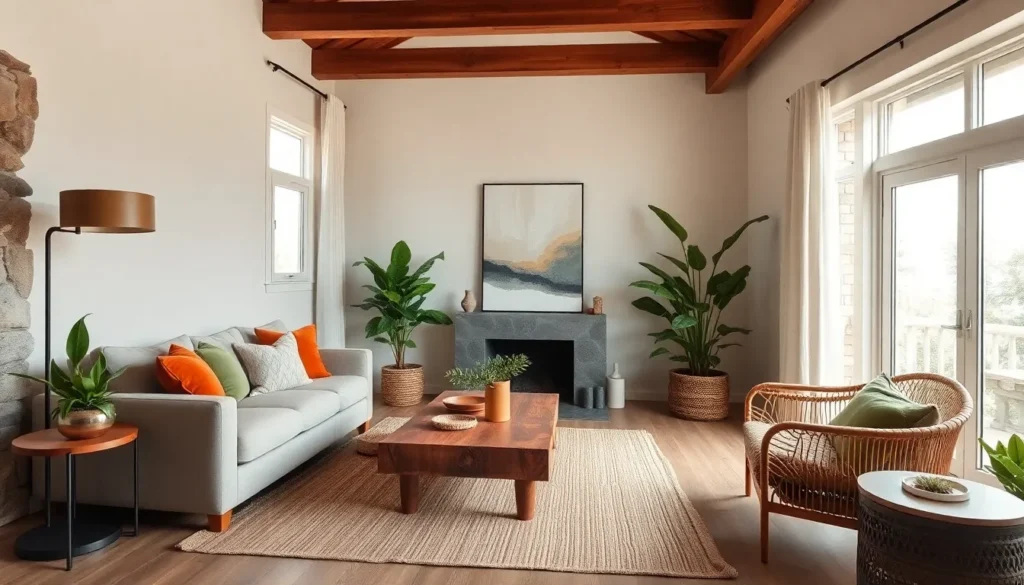
Wood flooring, exposed ceiling beams, and stone accent walls create visual interest while connecting indoor spaces to the outdoors. Rattan furniture and jute rugs add organic texture without overwhelming a room. The key is layering different materials to build depth.
Earthy tones complement natural materials perfectly. Think warm terracotta, soft sage green, sandy beige, and rich clay browns. These colors work as base palettes that homeowners can accent with bolder choices later. A living room with cream walls, a wood coffee table, and terracotta throw pillows demonstrates this interior design strategy beautifully.
Practical tip: Start with one natural material as a focal point, perhaps a reclaimed wood dining table, then build outward with complementary textures. This approach prevents the space from feeling cluttered while still embracing the trend.
Natural light plays a crucial role here too. Large windows, sheer curtains, and strategically placed mirrors amplify the effect of natural materials. They make earthy tones appear richer and more inviting throughout the day.
Maximizing Small Spaces With Multifunctional Design
Small space living continues to influence interior design trends globally. Urban apartments, tiny homes, and compact condos require creative solutions. Multifunctional furniture and smart storage have become essential strategies for modern homeowners.
A sofa that converts to a bed, a coffee table with hidden storage, or a dining table that folds against the wall, these pieces solve real problems. They allow one room to serve multiple purposes without sacrificing style. Interior design strategies for small spaces prioritize flexibility above all.
Vertical space often goes unused in small homes. Wall-mounted shelves, tall bookcases, and hanging planters draw the eye upward and create storage where floor space is limited. This technique makes rooms feel larger while keeping essentials within reach.
Color choice matters in compact spaces. Light colors reflect more light and make walls appear to recede. White, soft gray, and pale blue expand a room visually. But, some designers argue that bold, dark colors can actually make small rooms feel cozier and more intentional. The best interior design trend here? Choose what fits the homeowner’s lifestyle.
Mirrors deserve special mention. A large mirror opposite a window doubles the natural light and creates the illusion of additional square footage. It’s one of the oldest interior design strategies, and it still works remarkably well.
Clutter remains the enemy of small spaces. Built-in storage, under-bed drawers, and closed cabinetry keep belongings organized and out of sight. A clean, minimal aesthetic helps small rooms breathe.
Blending Vintage and Modern Elements
Mixing vintage and modern pieces has emerged as one of the most popular interior design trends of 2025. This strategy creates spaces with character, history, and personal meaning. A room filled entirely with new furniture can feel sterile. Adding vintage items brings warmth and tells a story.
The technique works best when homeowners choose one era or style as an anchor. A mid-century modern sofa pairs well with contemporary art. An antique farmhouse table looks stunning surrounded by sleek modern chairs. The contrast creates visual tension that keeps a room interesting.
Thrift stores, estate sales, and online marketplaces offer affordable vintage finds. A well-made wooden dresser from the 1960s often outlasts anything bought new today. These pieces also support sustainable interior design strategies by keeping furniture out of landfills.
Balance is essential. Too many vintage items make a space feel like a museum. Too few, and the effect disappears entirely. Most designers suggest a 70/30 or 80/20 ratio, primarily modern with vintage accents, or vice versa.
Textiles offer an easy entry point for this interior design trend. Vintage rugs, throw blankets, or curtains add character without requiring major furniture purchases. They’re also simple to swap out if tastes change.
Family heirlooms carry extra weight in this approach. A grandmother’s lamp or a parent’s bookshelf connects generations and adds meaning that no store-bought item can match.
Sustainable and Eco-Friendly Design Choices
Sustainability has moved from niche concern to mainstream interior design trend. Homeowners now consider environmental impact alongside aesthetics and cost. This shift has produced beautiful, responsible design options that didn’t exist a decade ago.
Recycled and upcycled materials lead this movement. Countertops made from recycled glass, flooring from reclaimed barn wood, and furniture crafted from salvaged materials reduce waste while creating unique pieces. Each recycled item carries its own history and texture.
Low-VOC paints and finishes protect indoor air quality. Traditional paints release volatile organic compounds that can cause headaches, respiratory issues, and long-term health problems. Eco-friendly alternatives eliminate these concerns without sacrificing color range or durability.
Energy efficiency connects directly to interior design strategies. Strategic window placement reduces heating and cooling costs. Proper insulation, thermal curtains, and ceiling fans all contribute to a home’s overall efficiency. Smart thermostats and LED lighting complete the picture.
Local sourcing supports sustainable interior design trends while boosting regional economies. Furniture made within 100 miles requires less transportation fuel than pieces shipped from overseas. Local artisans often use traditional techniques that produce higher-quality, longer-lasting items.
Plants have become essential to eco-friendly interiors. They purify air, add natural color, and improve mental well-being. Spider plants, pothos, and snake plants thrive indoors with minimal care. A few well-placed plants transform any room while supporting healthier living.