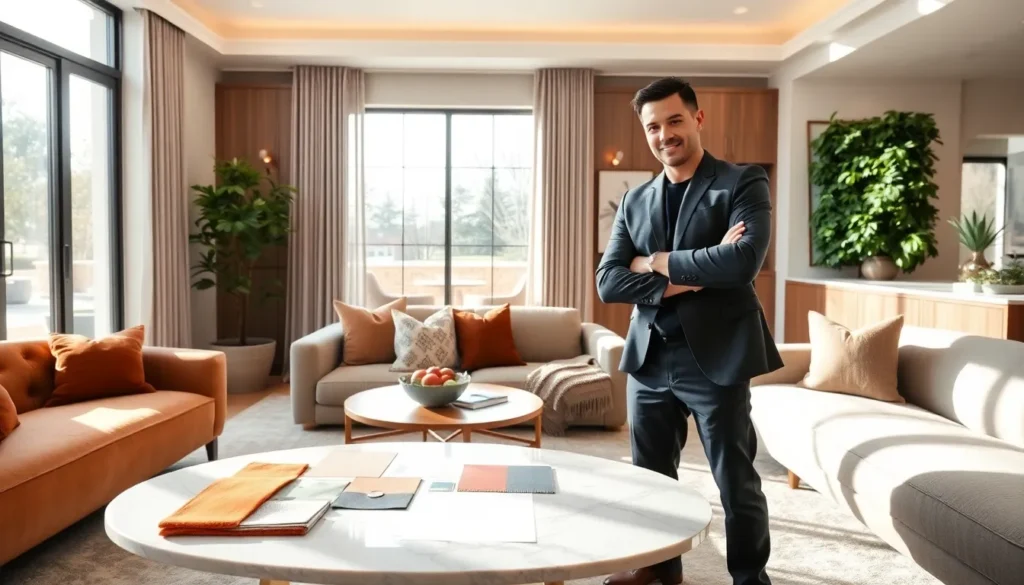
Interior design trends and techniques are shifting fast as 2026 approaches. Homeowners and designers alike want spaces that feel fresh, functional, and personal. This year brings bold color choices, sustainable materials, and smart layouts that prioritize comfort without sacrificing style. Whether someone is renovating a single room or planning a full home makeover, understanding current interior design trends helps create spaces that look good and work well. This guide breaks down the most exciting developments in interior design trends and techniques shaping homes right now.
Key Takeaways
- Interior design trends for 2026 emphasize warmth, sustainability, and personal expression over rigid style rules.
- Curved furniture, biophilic elements, and maximalism are replacing sharp angles and minimalist aesthetics.
- Earthy tones like terracotta and sage green, paired with jewel accents, define current color palettes.
- Essential interior design techniques include layered lighting, zoning open floor plans, and mixing metals for depth.
- Sustainable materials such as reclaimed wood, bamboo, and low-VOC paints are now standard choices.
- Multifunctional furniture and smart home integration help balance style with everyday functionality.
Top Emerging Design Trends to Watch
The interior design trends gaining momentum in 2026 reflect a desire for warmth, individuality, and connection to nature. Here are the movements worth paying attention to.
Curved Furniture and Soft Lines
Sharp angles are out. Rounded sofas, arched doorways, and circular mirrors are showing up everywhere. These curved shapes create a sense of flow and make rooms feel more inviting. They also soften spaces dominated by straight architectural lines.
Biophilic Design
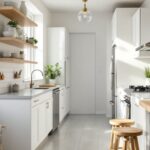
Bringing the outdoors inside remains a dominant trend. This goes beyond adding houseplants. Think living walls, natural light optimization, and organic textures like stone and wood. Biophilic interior design trends help reduce stress and improve air quality, practical benefits alongside visual appeal.
Maximalism Makes a Comeback
Minimalism had its moment. Now, layered patterns, bold art collections, and eclectic furniture mixes are taking center stage. The key to maximalism in 2026? Intentionality. Every piece should mean something, creating visual richness without chaos.
Vintage and Secondhand Finds
Sustainability concerns are pushing more people toward antique shops and thrift stores. Mixing vintage pieces with contemporary furniture adds character and reduces environmental impact. This trend also supports unique, one-of-a-kind spaces that mass-produced items simply can’t replicate.
Color Palettes and Material Choices
Color and material selections define the mood of any space. The interior design trends for 2026 favor bold statements balanced with natural elements.
Earthy Tones With Pops of Color
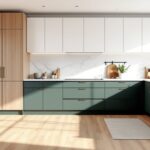
Warm terracotta, sage green, and deep ochre are replacing the cool grays that dominated the past decade. These earthy bases pair well with accent colors like burnt orange, mustard yellow, or deep burgundy. The result feels grounded yet lively.
Rich Jewel Tones
For those wanting drama, jewel tones like emerald, sapphire, and amethyst offer sophistication. These colors work especially well in smaller doses, an accent wall, upholstered chair, or statement drapes.
Sustainable and Natural Materials
Material choices in 2026 lean heavily toward sustainability. Reclaimed wood, recycled metals, and low-VOC paints are standard rather than premium options. Cork, bamboo, and hemp fabrics are gaining popularity as eco-friendly alternatives.
Textured Finishes
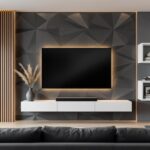
Flat, smooth surfaces are giving way to texture. Limewash paint creates subtle depth on walls. Bouclé and velvet fabrics add tactile interest to furniture. Stone and concrete finishes bring industrial edge with organic warmth. These interior design techniques add dimension without overwhelming a space.
Essential Techniques for Modern Interiors
Knowing the trends is one thing. Executing them well requires solid interior design techniques. Here are the methods professionals rely on.
Layered Lighting
Good lighting transforms a room. The technique involves combining ambient, task, and accent lighting at different heights and intensities. Dimmer switches allow flexibility throughout the day. Natural light should always be maximized when possible.
Scale and Proportion
Furniture that’s too large overwhelms a room. Pieces too small look lost. Successful interior design techniques account for ceiling height, room dimensions, and the relationship between objects. A general rule: leave enough negative space for the eye to rest.
Color Blocking
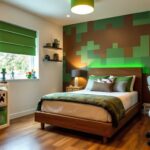
This technique uses bold, contrasting colors in defined sections rather than blending shades throughout a room. Color blocking creates visual interest and can make architectural features stand out. It works particularly well with the jewel tones trending in 2026.
Zoning Open Floor Plans
Open layouts remain popular, but they need definition. Rugs, furniture arrangement, and lighting can create distinct zones for cooking, dining, working, and relaxing. This technique maintains openness while giving each area purpose.
Mixing Metals and Finishes
Gone are the days of matching every metal in a room. Combining brass, matte black, chrome, and copper adds depth and personality. The key is limiting the palette to two or three metals and repeating them throughout the space.
Blending Style With Functionality
The best interior design trends balance aesthetics with everyday life. A beautiful room that doesn’t function well fails its purpose.
Multifunctional Furniture
Smaller living spaces and remote work have increased demand for furniture that does double duty. Ottomans with storage, dining tables that convert to desks, and murphy beds are practical solutions that don’t compromise style.
Smart Home Integration
Technology is becoming invisible. Motorized blinds, integrated speakers, and smart thermostats blend into design rather than standing out. The goal is convenience without visual clutter.
Pet-Friendly Design
With more households including pets, interior design techniques now account for four-legged family members. Stain-resistant fabrics, built-in feeding stations, and durable flooring options keep spaces looking good even though wear and tear.
Accessible Design Elements
Universal design is moving from specialized to mainstream. Wider doorways, lever handles, and walk-in showers benefit everyone, regardless of age or ability. These features also add resale value.
Personal Expression
Eventually, 2026 interior design trends encourage individual expression over strict adherence to any single style. Mixing eras, cultures, and personal collections creates homes that tell stories. The most successful spaces reflect who lives in them.